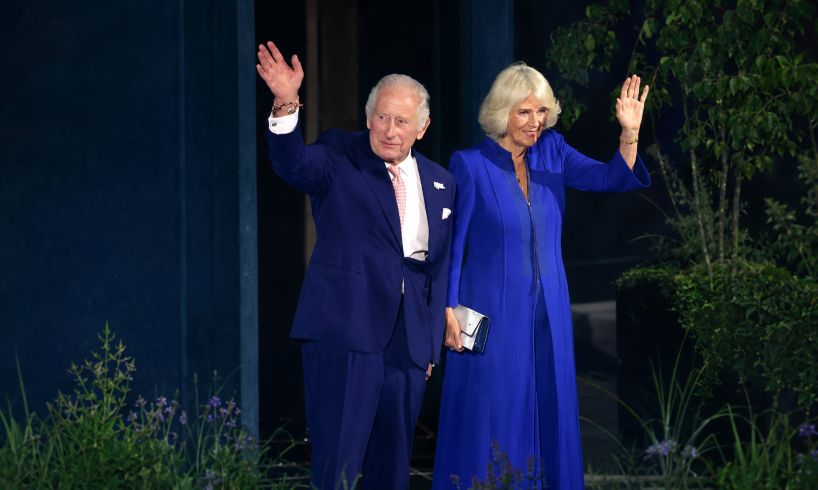
Prince William and his wife, Kate Middleton, like to make things clear. Just like he did with Prince Andrew, King Charles III is choosing to follow their lead on another thorny issue.
At a distance, the idea of royal reconciliation still lingers in the public imagination. Prince Harry speaks openly about healing rifts. Commentators speculate about quiet meetings and softening attitudes. However, behind Palace walls, the reality looks far colder.
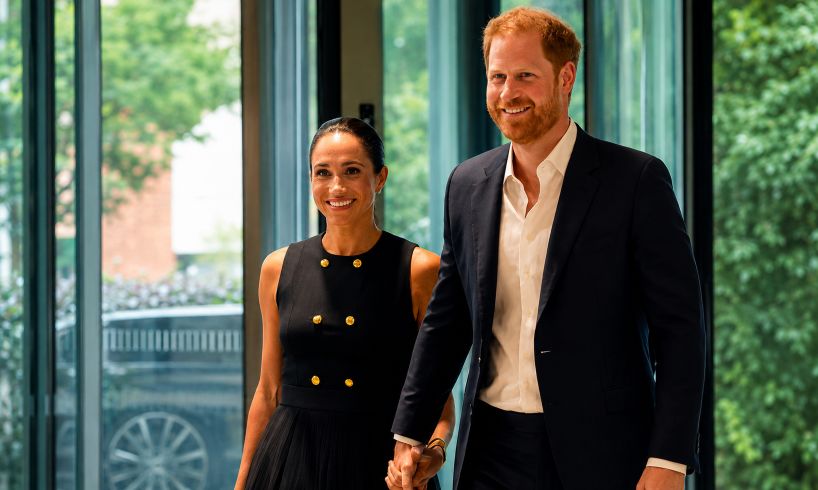
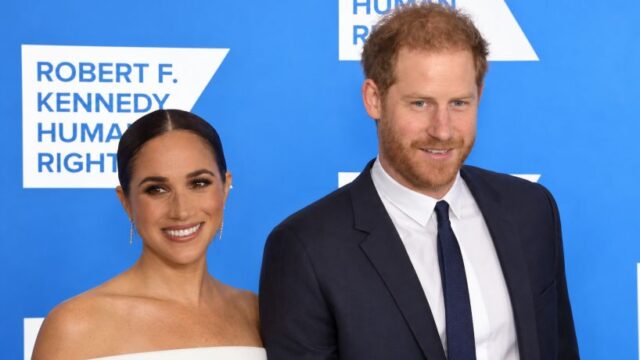
Prince William and Kate Middleton are not inching toward peace with the Duke and Duchess of Sussex. Neither, it appears, is King Charles. And that entrenched distance may be reshaping the Sussexes’ strategy in ways critics now find troubling.
Prince William and Kate Middleton Are Not Seeking Reconciliation
According to those closest to the Prince and Princess of Wales, there is no active effort — nor appetite — for rebuilding ties with Prince Harry and Meghan Markle. The silence between the households is not accidental. It is intentional.
Kate’s recent health battle has only sharpened that clarity. Having come through cancer treatment and entered remission, she is said to view life as too short for prolonged emotional conflict. Insiders suggest she and William are focused squarely on their own children, their marriage, and their future roles — not revisiting grievances that have already exacted a heavy toll.
There is currently no contact between the Waleses and the Sussexes, and no plan to change that. For William and Kate, this is not avoidance. It is closure.
Why Prince William Has Drawn a Firm Line
For Prince William, the divide is no longer just personal — it is structural. Years of public criticism from his younger brother, delivered through interviews, the Spare memoir, and documentaries, have transformed a family dispute into an institutional problem.
Those close to the future king say he has little interest in reopening old wounds or revisiting narratives he believes were already settled at great cost. Each public gesture from Harry — especially those timed alongside William’s official duties — has reinforced the sense that distance is the safer option.
From William’s perspective, reconciliation without accountability would be destabilizing rather than healing.
King Charles Is Equally Unlikely to Bridge the Gap
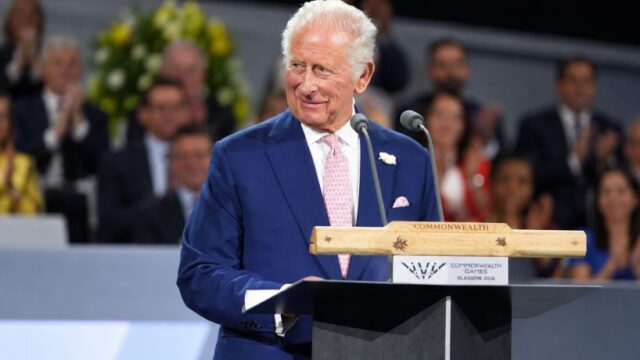
King Charles has occasionally been seen as more emotionally open to reconciliation and a return of Prince Harry to the fold. Royal insiders caution against overstating that possibility.
The King is managing serious health concerns while navigating a packed constitutional agenda. In that environment, renewed family drama is viewed as a liability. Harry’s desire for more frequent UK visits, potentially with his children, may be emotionally understandable — but institutionally disruptive.
For Charles, stability now outweighs sentiment. And stability, at least for the moment, appears to mean keeping distance firmly in place.
No Contact, No Urgency, No Regret
What is striking to Palace watchers is not just the lack of communication, but the absence of urgency to fix it.
William and Kate are described as settled, even relieved, to be operating without constant Sussex-related turbulence. After years of fallout, legal battles, and media cycles, the Waleses appear content focusing on early childhood initiatives, overseas diplomacy, and preparing for the future of the monarchy.
In short, they have moved on — even if Harry has not.
A Reality That May Be Pushing the Sussexes Toward Bigger Bets
That hard truth — that reconciliation may never come — could be shaping the Sussexes’ recent decisions.
With doors firmly closed in the UK and relationships frozen at the top, Harry and Meghan appear to be leaning further into visibility, brand-building, and legacy construction in the United States. This is where critics say the narrative starts to feel at odds with itself.
Archewell’s Unsteady Ground Adds to the Strain
James Holt’s decision to step away from Archewell has a lot of people talking and reignited the conversation about the charity’s high staff turnover. Holt was not just another staffer; he was part of the foundation’s furniture. His exit creates a vacuum that is hard to ignore, leaving many to wonder if anyone is actually minding the store at the top level. As the internal structure wobbles, the brand’s outward persona is also morphing. There is a sudden, heavy leaning into “family legacy” and “generational ties” — the kind of flowery language that often acts as a smokescreen when the actual operational gears are grinding to a halt. When the foundation feels shaky, you lean on symbols.
Why Bringing Archie and Lilibet Into the Picture Sparked Backlash
Nothing has ruffled feathers quite like the decision to weave Prince Archie and Princess Lilibet into the official Archewell narrative.
Critics argue this move clashes directly with the Sussexes’ long-standing insistence that their children would grow up free from royal pressure and public expectation. They made similar arguments about keeping their children away from symbolic roles that the kids never asked to inherit.
However, by bringing them into an official charitable framework, critics say the Sussexes have stepped beyond a line they once insisted was non-negotiable.
Why the Hypocrisy Accusations Are Growing
The pushback stems largely from what observers see as mixed messaging. For years, Harry and Meghan have emphasized that public visibility can be harmful to children, especially when it comes with expectations or symbolism they did not choose themselves. Now, critics note, their children appear — albeit indirectly — woven into the story of a highly visible public brand.
Framed this way, the shift does not look like a retreat from exposure so much as a careful reset. The emphasis appears to have moved from keeping the children entirely out of view to positioning them within a longer arc.
For critics, that marks a quiet shift — from the idea that the children would chart their own paths to the suggestion that they now symbolize the values and legacy the Sussexes want Archewell to carry forward.
Optics Over Operations?
For many looking on, bringing the children into the fold feels less like a boardroom strategy and more like a branding play. It wraps Archewell in a sense of legacy and inheritance — a dynasty in the making — despite the fact that Archie and Lilibet are obviously far too young to have any actual hand in the day-to-day operations.
That approach may resonate emotionally — but it also invites questions about whether sentiment is being used to paper over deeper structural challenges within the organization.
In other words, critics see branding where they expected strategy.
Distance, Not Dialogue, Defines the Royal Reality
The uncomfortable truth for the Sussexes may be this: Prince William, Kate Middleton, and King Charles are not waiting to reconcile. They are building forward without them.
And as that reality hardens, the pressure on Harry and Meghan to create relevance, momentum, and permanence elsewhere appears to be growing — sometimes in ways that clash with their own stated values.
For now, the divide remains fixed. And the choices made on either side of it are only making that clearer.