Presidents usually try to control the story. But as the administration faces several crises at home and abroad, the White House is finding that its usual echo chambers are no longer blocking out criticism.
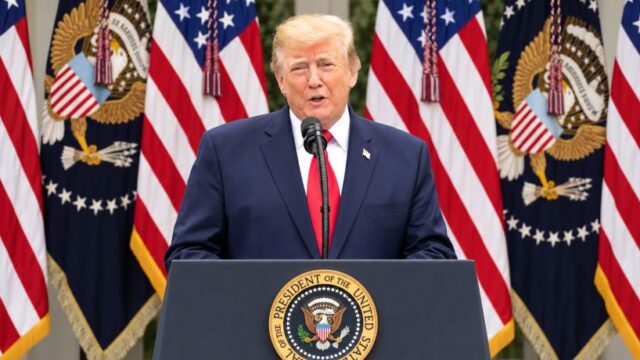
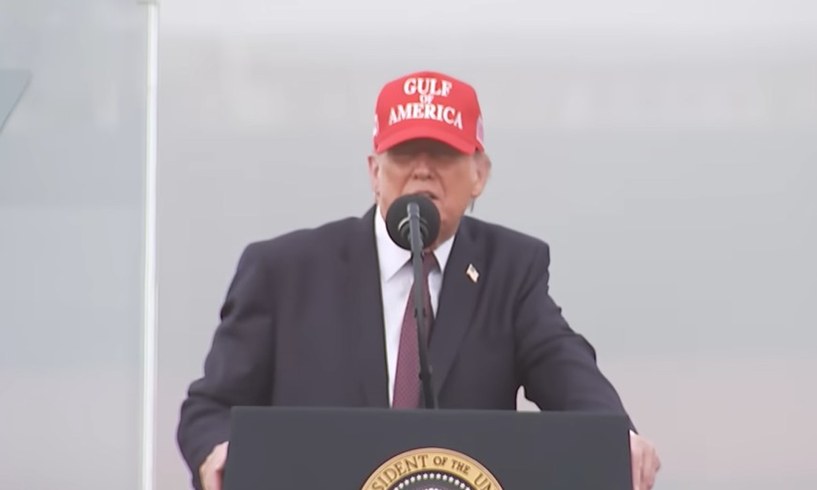
The administration’s media shield broke again, this time while flying on Air Force One. On Thursday evening, President Donald Trump posted an angry message on Truth Social that ended up highlighting the weaknesses he wanted to hide. He aimed his comments at Jessica Tarlov, the Democratic strategist on Fox News’ The Five. But the backlash revealed a bigger problem: both liberal critics and former MAGA supporters are now voicing the same concerns.
The Fox News Trigger: Jessica Tarlov Hits a Nerve
The president’s latest online outburst was sparked by a blunt segment on conservative TV. Tarlov broke through the usual defenses and clearly criticized the administration’s recent actions.
She highlighted the clear gap between what the White House says and what people think, noting an average approval rating of 35 percent. What really seemed to hit home were her points about unpopular tariffs, the ongoing conflict with Iran, and the rising cost of a $400 million White House ballroom.
For an administration that depends on looking like it always wins, this broadcast was too much. On Truth Social, Trump ignored the policy criticism and instead attacked Tarlov personally. He called her “unattractive” and “untalented,” complained about her “grating” voice, and said she should be taken off the air, calling her data “fake.”
The Polling Reality Behind the Vitriol
Even though the president claims his numbers are the “best” ever, the data shows that Tarlov’s comments were based on facts, not just political spin.
Polls from CNN to YouGov show Trump’s approval rating stays in the mid-to-high 30s, while disapproval often goes above 60 percent. The policy areas Tarlov mentioned are even less popular:
- The Iran Conflict: Polling indicates 55 percent of the public opposes the war waged by the U.S. and Israel.
- Trade Policy: Prior to the Supreme Court striking down the majority of the president’s sweeping tariffs, 64 percent of Americans voiced their disapproval in an Ipsos poll.
- Executive Optics: The controversial White House ballroom project — which skyrocketed from a $300 million estimate to a staggering $400 million — faces opposition from 56% of voters.
Instead of backing down after the president’s attacks, Tarlov embraced the attention. She went on X (formerly Twitter) to defend her data and used the spotlight to promote her upcoming book, I Disagree, which comes out in September.
A History of Hostility Towards Female Journalists
Attacking the person instead of the message is a common move for this White House, especially when the critic is a woman. The harsh words aimed at Tarlov are part of a pattern where the president uses crude, gendered insults against female reporters who ask tough questions.
A few months earlier, Trump famously insulted Bloomberg reporter Catherine Lucey, telling her, “quiet, piggy,” after she asked about the administration’s handling of government files related to Jeffrey Epstein. The goal is clear: insult the journalist to distract from the issue.
The Wider Meltdown: Friendly Fire on MAGA Faithfuls
But the most telling part of Thursday’s events was not the expected fight with a Democratic strategist — it was the attacks on allies. The Tarlov episode shows a bigger problem: the administration cannot handle criticism from anyone.
In a surprising move, the president also attacked conservative media figures Tucker Carlson, Megyn Kelly, and Candace Owens during the same news cycle. He called them “FAKE MAGA” with “Low IQs” and tried to push them out for speaking against the war in Iran.
This is a new situation. The president is now fighting both the left-leaning Tarlov and the right-wing Owens over the same policy problems, which points to a major strategy failure. When both Fox News’s liberal voice and top America First supporters agree on foreign policy criticism, the administration is not just facing political opponents — it is facing the facts.
Owens summed up the changing mood in her response on X. She brushed off the attacks and said the president’s outbursts were a “meltdown” because “he may have accidentally heard the truth.”
In the end, the administration’s harsh approach to the press, attacking both critics and former allies, shows how isolated it has become. By trying to silence bad news, the White House has only made sure the message spreads further and reaches everyone.