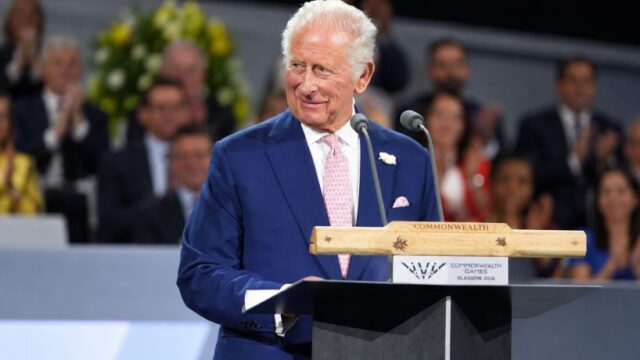
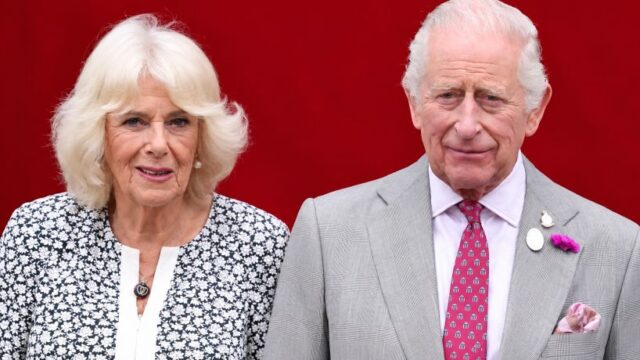
The next twelve months are set to be the most grueling and scrutinized in the history of the modern British Monarchy. As King Charles III navigates the endless and complex fallout of the Andrew Mountbatten-Windsor/Jeffrey Epstein and eventual arrest and his own undisclosed cancer battle, the world is no longer just watching — it is reading the tea leaves of every exhausted gesture, scripted smile, and event or appearance cancellation.
For a King, who has waited a lifetime for this role, the stakes have never been higher: he must now fight to hide his mounting health fatigue and exhaustion from Andrew’s scandal while the shadow of abdication grows larger by the day.
The Invisible King: Battling Fatigue Behind The Scenes
While the Palace continues to release hopeful updates about a “reduced” treatment schedule, the reality behind closed doors is reportedly far more dire.
Insiders suggest the 77-year-old Monarch is locked in a constant struggle to maintain the “illusion of perfect health” while enduring the grueling side effects of his treatment.
“The King is seriously unwell but determined to carry on,” a longtime royal aide told journalist Rob Shuter for his Naughty But Nice Substack. “He’s exhausted, but he won’t stop. Every morning, he insists on reading his red boxes. He believes his service to the country is his calling—and he’ll keep going as long as he can.”
However, every public appearance is now a high-wire act. Charles cannot afford a single slip-up or moment of visible weakness, as critics and “abdication theorists” are ready to pounce on any sign that the Crown is becoming too heavy.
The Survival Strategy: Is William Already The Unofficial King?
The narrative of a “controlled evolution” is gaining momentum. Reports from Yahoo, the Daily Beast, and other outlets suggest that the King’s resignation may be inevitable, not as a sign of defeat, but as a strategic move to ensure the monarchy’s survival. Sources claim the institution is already preparing “emotionally” for Prince William to take the throne sooner than anyone anticipated.
“The transition will look measured and dignified,” a senior courtier revealed via Yahoo. “Charles will not be seen as pushed. When he steps back, it will be entirely on his terms. If there’s a handover, it won’t feel like surrender—it will feel inevitable.”
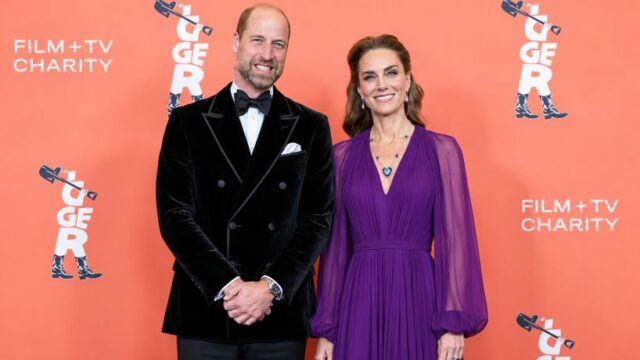
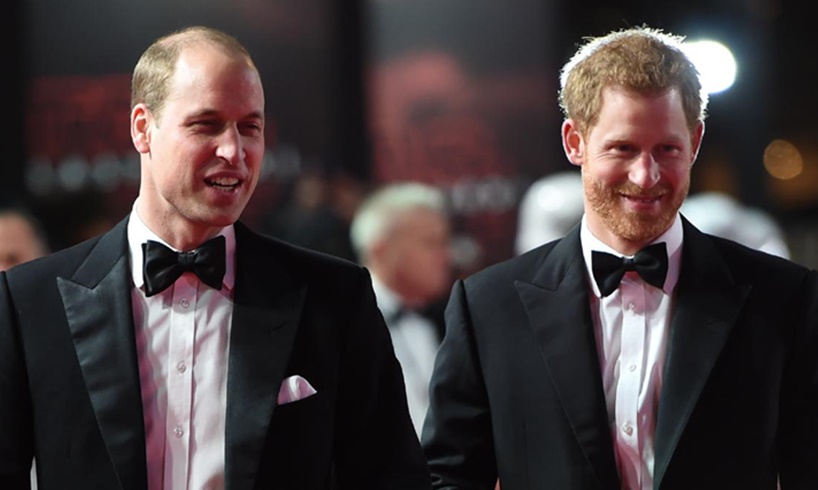
Perhaps most telling is Prince William’s behavior. The 43-year-old Prince of Wales and heir to the throne, who often has close friends, associates, and staff members speaking to the Times and the Daily Beast, has noticeably refrained from denying these explosive abdication or shadow-king reports.
To many, Prince William’s selective silence is a confirmation of the truth. William is already functioning as a “monarch-in-waiting,” taking on high-profile diplomatic engagements in the United Kingdom and abroad and spearheading the “ruthless” campaign to sever ties with the disgraced Andrew.
According to a longtime aide, William is “already king unofficially” in many ways, with the paperwork simply waiting to catch up to the reality on the ground.
A Legacy Under Siege
King Charles finds himself trapped between his duty to the Crown and the limitations of his body that is battling cancer and undergoing treatment, not to mention the passing of time.
He is receiving “unwanted attention” not just for his health, but for the suspicion that he is merely a placeholder for his son. As the 2026 investigation into Andrew Mountbatten-Windsor threatens to blow open what the Palace knew and when, the pressure for a “clean break” with a new, untainted King becomes overwhelming.
Charles is betting that his methodical, law-abiding approach will save the throne. But as the fatigue sets in and the rumors of a summer abdication swirl, the question remains: Can he stay in the race long enough to leave on his own terms, or will the “inevitable” transition happen before he is ready to say goodbye?