On a parkway meant for quiet Sunday drives, two very different lives crossed paths in the worst way. One was shaped by years of dedication, the other by a single, life-changing choice.
Late Sunday night on Long Island’s Southern State Parkway, prosecutors say 36-year-old Diana Kutateladze sped up to about 70 mph after drinking whiskey cocktails. This set off a chain of events that ended in a violent, wrong-way crash involving six vehicles, ten people, and two deaths.
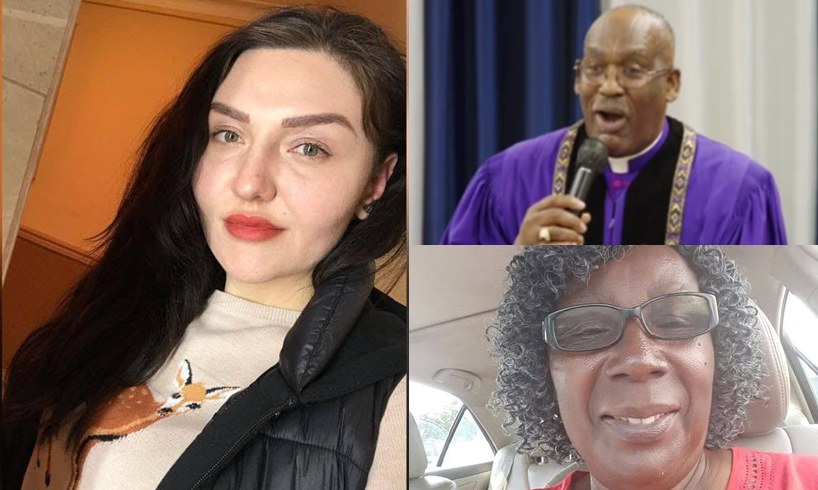
Those lives were those of Donald and Liscent Maxwell, an elderly couple whose impact reached far beyond the road that night.
Faith, Routine, and a Life of Consistency
For over fifty years, the Maxwells built their lives around faith and community. He was a bishop and spiritual leader, and she served as a reverend by his side. Together, they were a steady presence in their Far Rockaway congregation, always reliable and deeply involved in the lives of others.
Friends saw them not just as individuals, but as a team. They were inseparable in marriage, ministry, and purpose. Missing a Sunday service was never part of their routine.
Their steady routine makes the suddenness of their deaths feel even more shocking. They were not taking risks. They were simply heading home.
The Anatomy of a Wrong-Way Crash
Authorities say the sequence unfolded quickly but violently.
Kutateladze’s Cadillac Escalade allegedly hit another car while heading west, lost control, and went over the median. This turned a single-lane mistake into a disaster across several lanes. In oncoming traffic, the SUV hit several vehicles before crashing head-on into the Maxwells’ Toyota Highlander.
The force of the crash killed both passengers instantly.
The driver of their vehicle survived but suffered severe injuries, including multiple fractures requiring surgery. Kutateladze’s husband, who was in the passenger seat, remains in critical condition with a brain bleed, spinal fracture, and extensive trauma.
A Defendant with a Contradictory Profile
In court, Kutateladze did not fit the usual image of a defendant. Instead, she seemed to be a person full of contradictions.
She is a mother to young children and a recent law school graduate. By her own telling, she developed a career navigating immigration law and handling intricate legal matters.
Prosecutors, however, say she admitted to drinking before getting behind the wheel and later recorded a 0.10 blood alcohol level—over the legal threshold.
That gap between professional role and alleged conduct now defines the case, raising questions about judgment, responsibility, and self-control.
The Cascading Impact of One Decision
Crashes like this are often described in numbers—speed, blood alcohol content, and the number of vehicles involved. But what happens after cannot be summed up so easily.
Ten people were caught in the crash. Now, several families are facing long recoveries, trauma, or loss. The church community has lost two of its leaders. Four young children may have to grow up while their mother faces the chance of a long prison sentence.
Kutateladze has pleaded not guilty to a series of felony charges, including aggravated vehicular homicide and manslaughter. If convicted, she could spend many years behind bars.
A Familiar Path to Tragedy
Diana Kutateladze’s case has captured attention not only for its severity, but for how closely it mirrors decisions people see — and make—every day.
There was no high-speed chase and no complicated crime. It was simply a choice that many drivers make and justify every day: getting behind the wheel after drinking.
The unsettling truth is that nothing seemed unusual before the crash, until suddenly everything changed.
When Two Worlds Collide
This goes beyond a traffic accident — it is about two very different lives intersecting at the worst possible moment. One belonged to a couple defined by decades of consistency and service. The other to someone driven by career and responsibility, now facing the fallout of an alleged split-second mistake.
The distance between those two lives was just a few feet, but the consequences cannot be measured.
The Tacit Question
Cases like this quietly change how communities see risk. It is no longer something distant or abstract, but something that can appear without warning, even from someone who seems completely responsible.
That may be the most unsettling lesson of all: It is not just that a tragedy happened, but how normal everything seemed just before it did.