Prince Harry’s long-running war with the Home Office over his personal security has finally hit a boiling point, following news that the Duke made the ultimate power move—demanding elite state bodyguards for his entire family while willfully flouting the rules he fought for years in court to challenge.
After losing multiple bitter, high-profile legal battles against RAVEC—the official body that assesses royal security—Harry knew precisely what was required of him before bringing Meghan Markle, Prince Archie, and Princess Lilibet back to British soil. Rules clearly dictate that the Duke must provide a mandatory 28 days’ notice for any UK travel. Yet, in what critics are calling a calculated move to force the British government’s hand, Harry handed over less than two weeks’ notice, blindsiding official channels while dropping the ultimate bombshell: he was moving his entire family back permanently and enrolling his children in local schools.
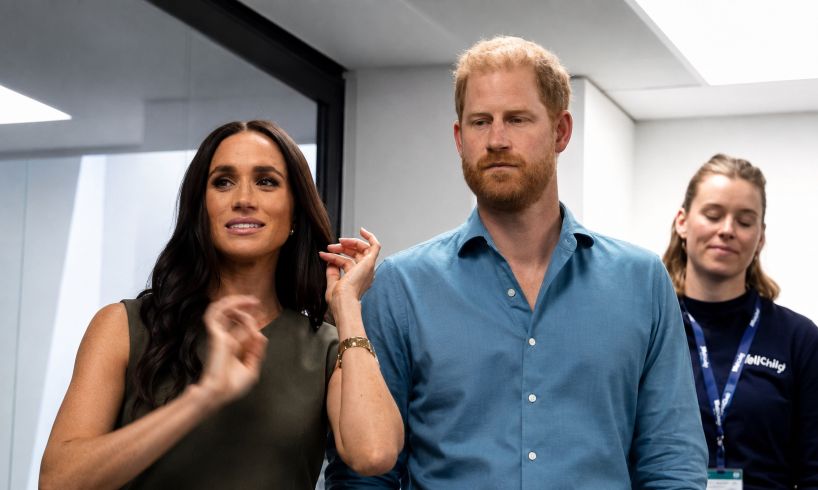
According to The Times, instead of following protocol, Harry initially used his upcoming appearance at the WellChild Awards as temporary “cover.” He gave official security committees minimal warning for a routine charity trip, only to sprung his full transatlantic move on the Home Office at the very last second. The King was officially notified on Sunday, August 16, before the family landed in the UK on Thursday, August 26, effectively backing RAVEC into a corner.
Furious sources familiar with the inner workings of the committee have expressed immense frustration to The Times, pointing out that Harry made impossible, short-notice demands for full-scale state protection—knowing full well that such late notice makes proper security planning virtually impossible.
Insiders close to the situation emphasize that RAVEC had thoroughly evaluated the Sussexes’ case, only to be repeatedly painted as the villains by Harry’s PR team. For years, the Duke’s camp has complained about receiving minimal setup, with sources close to the prince previously describing the government’s stripped-back arrangements as amounting to little more than “handing him a phone number of a liaison officer”.
Yet, when given clear guidelines to ensure his family’s safety, the Duke brazenly bypassed them. Unsurprisingly, a source close to the Sussexes completely dismissed the relevance of the mandatory 28-day timescale, aggressively firing back at the government committee and accusing them of total negligence. The person revealed to The Times: “The committee has been kicking the can down the road for the last seven years.”
The royal insider doubled down on the Sussexes’ decision to bypass standard protocols, claiming that playing by the government’s rules had ultimately proven useless: “We have always adhered to the rules they set, even as the goalposts have moved along the way. Playing by those rules has never made any difference. Despite the facade of a proper process, they have never shown any real intention of doing anything other than maintaining the status quo.”
The Sussex camp argued that since geographic distance was the original excuse used to strip their security, returning to Britain removes any justification for withholding armed bodyguards. Demanding an immediate reversal from the state, the spokesperson stated via The Telegraph: “Geography was the backbone of Ravec’s argument for withdrawing enhanced protective security in 2020. The couple’s decision not to live in the UK was treated as a significant factor in that decision. That barrier has now been removed, and an obvious off-ramp exists for the committee to do the sensible thing: protect the King’s son and grandchildren.”
By orchestrating a fast-tracked move and springing a sudden, high-risk security nightmare on the Metropolitan Police, Prince Harry has turned his homecoming into a massive standoff. He knew the rules, he knew the notice requirements, and he knew he would not receive full protection on such short notice—yet he backed the UK government into a corner anyway, leaving the nation’s security apparatus scrambling and local communities in absolute turmoil.

Comments (0)