When Meghan Markle stepped onto the red carpet at Paramount Studios this week, the visual messaging was unmistakable.
Wearing a custom Harbison Studio gown in baby pink and black velvet, the Duchess of Sussex made clear that this was more than a red-carpet appearance. It marked a deliberate evolution — away from royal peripheral and toward a central role in Black luxury, fashion, and capital-driven philanthropy.
The evening, a high-energy fundraiser for the Fifteen Percent Pledge, placed Meghan among figures like retail executive Emma Grede and stylist Law Roach. The scene underscored a larger reality: even as her traditional media ventures recalibrate, her foothold in social-impact commerce and culturally influential entrepreneurship continues to expand. What is emerging is a new phase — part fashion patron, part lifestyle architect, rooted firmly in ownership and access.
From Small Screens to Artisanal Spreads
While the flashbulbs of the gala made for great front-page fodder, Meghan’s true focus has shifted toward much more personal, digital-first content. With the news that her lifestyle show, With Love, Meghan, has reached the end of the road after “two seasons,” she has leaned into “bite-sized” storytelling. It is a strategic move to keep her latest brand, As Ever, relevant in a fast-moving social media landscape.
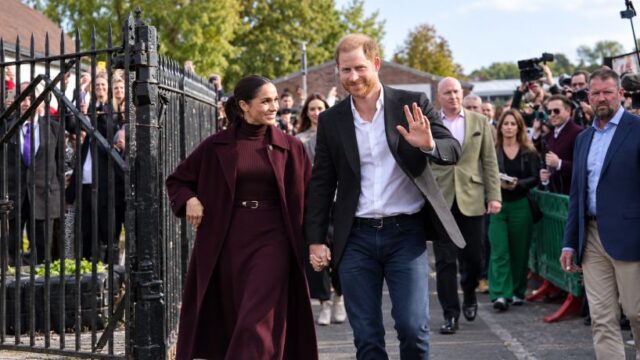
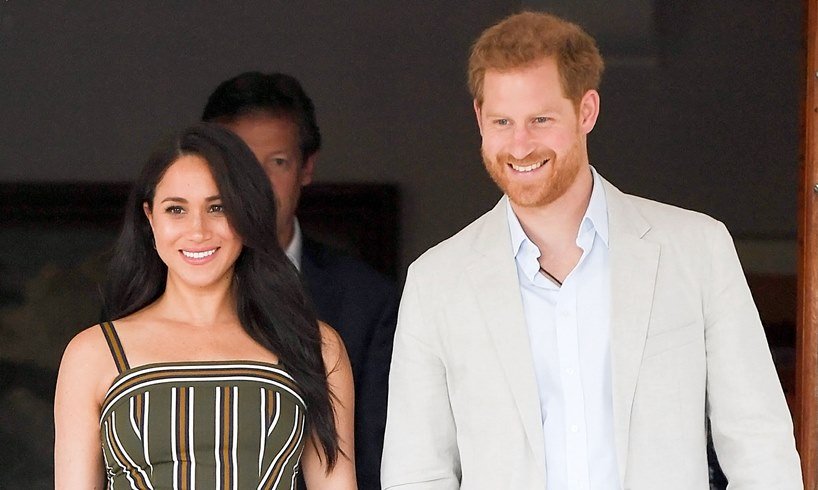
This transition from long-form Netflix prestige to the agility of social media commerce was underscored by a recent, curated glimpse into her home life. In a video that went viral almost instantly, she is seen surprising Prince Harry with a box of her signature “As Ever” chocolate bars — a collaboration with Los Angeles chocolatier Jonathan Grahm. His casual “yes, please” may have sounded domestic, but it functioned as a perfectly timed plug for a brand that sells exclusivity — with Valentine’s bundles priced at $185.
This shift suggests a calculated realization: in the modern attention economy, a three-minute Instagram Story can often generate more brand equity — and direct sales — than a multi-episode documentary series that takes a year to produce.
The Power of the “Fifteen Percent” Alliance
The gala’s tribute to Tina Knowles also served as a stage for Meghan to reinforce her support for the Fifteen Percent Pledge. This Aurora James-led nonprofit has spent the last few years lobbying big-box retailers to rebalance their aisles, pushing for a 15% minimum of shelf space to be reserved for Black businesses to ensure a more equitable marketplace. By wearing Harbison — a New York-based Black-owned luxury label — Meghan moved beyond empty rhetoric, using her “face card” to provide a global platform for independent creators.
Between the lines here is the creation of a closed-loop ecosystem. Meghan’s presence signals participation, not performance. Meghan is positioning herself in the same league as moguls like Emma Grede, who effectively turned the “celebrity cameo” into a massive retail empire. This move marks a clean break from the slow-moving gears of Hollywood production. Instead, she is chasing the higher margins found at the crossroads of mission-driven investing and direct-to-consumer branding.
Direct Access Over Distribution
The brand does not rely on established networks. It is able to market $12 items and $185 curated sets straight to its core supporters.
Purpose as Prestige
The link to the Fifteen Percent Pledge helps anchor the label within a values-driven luxury market.
Royal Familiarity
By adding Prince Harry’s low-key presence to the package, it gains in intimacy. The marketing is then able to balance modern relatability with a hint of royal mystique.
Holding the Line
Amid swirling political commentary, the Duchess appears focused not just on sales — but on protecting the broader family story. Her recent social media activity included a pointed defense of Prince Harry’s military service, sharing images of his time in Afghanistan and his work with the Invictus Games.
This move serves a dual purpose. It functions as a sharp rebuttal to recent political criticisms regarding the role of British troops in global conflicts, but it also anchors the Sussexes’ “brand of heart” in something tangible and sacrificial. By juxtaposing the sweetness of her chocolate launches with the gravity of Harry’s veteran advocacy, Meghan is attempting to build a multi-dimensional public persona: one that is as comfortable discussing flower sprinkles as it is defending international military legacies.
The overarching implication is clear: Meghan is no longer waiting for a network greenlight to tell her story. Between the high-fashion galas and the “authentic” social media snippets, she is effectively becoming her own studio, her own distributor, and her own most effective PR agent.