
King Charles appears to be entering a new phase of his reign, one in which he is less willing to let political sensitivities dictate how openly he speaks about issues that matter to him. His latest comments on slavery during his Caribbean tour have drawn fresh attention to the delicate balance he must maintain as monarch, raising questions about whether he is becoming more prepared to challenge convention, even when his words risk making politicians uncomfortable.
The King has not abandoned the constitutional rules that require him to remain politically neutral, but there is a growing impression that he wants to use the influence of his position more confidently. At 77, Charles may also be increasingly conscious that his time on the throne is limited, and that the causes he has spent decades supporting cannot simply be left for another day.
That determination was on display in Antigua, where he addressed the legacy of the transatlantic slave trade during the penultimate day of his Caribbean tour. The subject has remained politically sensitive across the region, particularly as Caribbean leaders continue to raise questions about apologies, reparations and Britain’s historical responsibility.
King Charles Delivers a Message Politicians Cannot Ignore
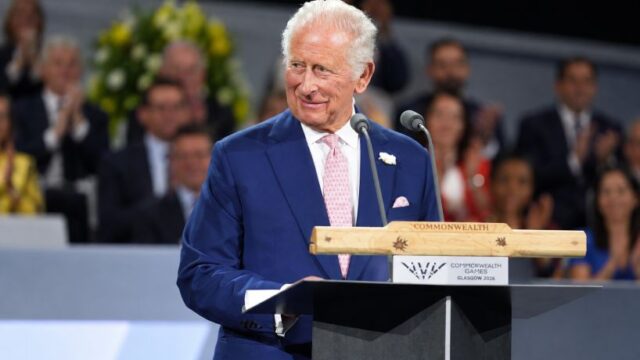
King Charles at the CHOGM that was attended by Heads of Government from 56 countries, described the transatlantic slave trade as a “shameful chapter of history” and spoke of his “profound sadness” at the suffering it had caused. He also said that its legacy still “casts a shadow over these islands” so that its impact is very much still with us.
His comments were significant given the continuing sensitivity of the issue of Britain’s role in the slave trade throughout the Caribbean, with the demand for reparations and a proper reckoning with the past still very much alive. Charles did not go so far as to issue a formal apology on behalf of the UK government or commit to any policy change, but he did something that was in itself very important: he recognised the enduring damage and gave expression to the very real concerns that Caribbean leaders have had for years.
Charles also spoke about his own efforts to understand the effects of slavery, climate change and economic inequality, explaining that listening and learning had strengthened his commitment to finding practical ways of addressing historical wrongs.
Palace Source Says the King Is Less Concerned About Upsetting Politicians
According to a source close to the royal household cited by RadarOnline, the King has become increasingly conscious of the time he has left to make his views clear. The source suggested that Charles is now less worried about difficult conversations making politicians uncomfortable, describing him as someone who “no longer cares about stepping on politicians’ toes.”
That does not necessarily mean the King intends to intervene directly in political decisions. Rather, it suggests that he may be more comfortable using his public platform to highlight issues he considers important, even when those subjects place the monarchy close to difficult national and international debates.
The distinction matters because Charles has spent much of his public life campaigning on subjects such as environmental protection, sustainability and social responsibility. His position as monarch, however, requires a different approach from the one he could take as Prince of Wales.
The Constitutional Line Charles Still Cannot Cross
The British monarch is expected to remain above party politics and act on the advice of elected ministers. While the King can privately advise, encourage and warn the Prime Minister, he is not supposed to publicly campaign for political positions or direct government policy.
That constitutional boundary has not just vanished because Charles has become more vocal. His remarks in Antigua were simply him expressing personal grief and acknowledging the consequences of history. They were not in any way an assertion that he was going to dictate Britain’s position on reparations.
Nevertheless, the episode highlights the challenge facing a monarch who wants to give his convictions a more visible place in his reign without appearing to interfere with the work of elected politicians.
For Charles, the question may be how far he can push the boundaries of royal expression while remaining within the constitutional role he inherited. His latest remarks suggest he is not prepared to remain silent merely because a subject is uncomfortable, although the limits of what he can do will remain firmly in place.

Comments (0)