
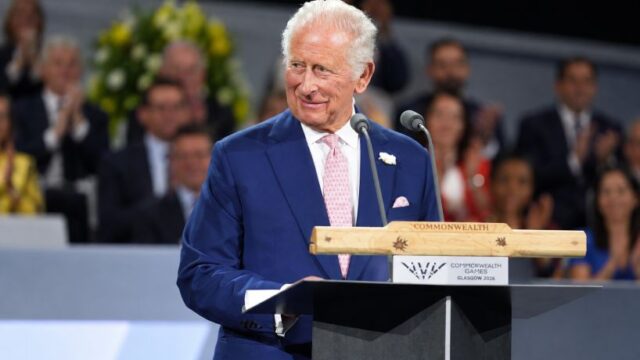
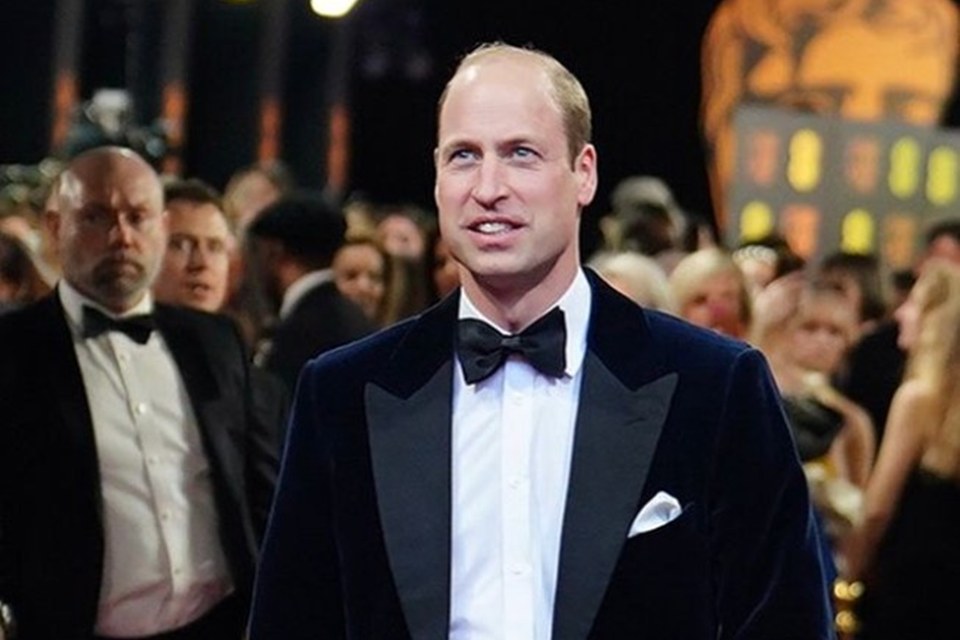
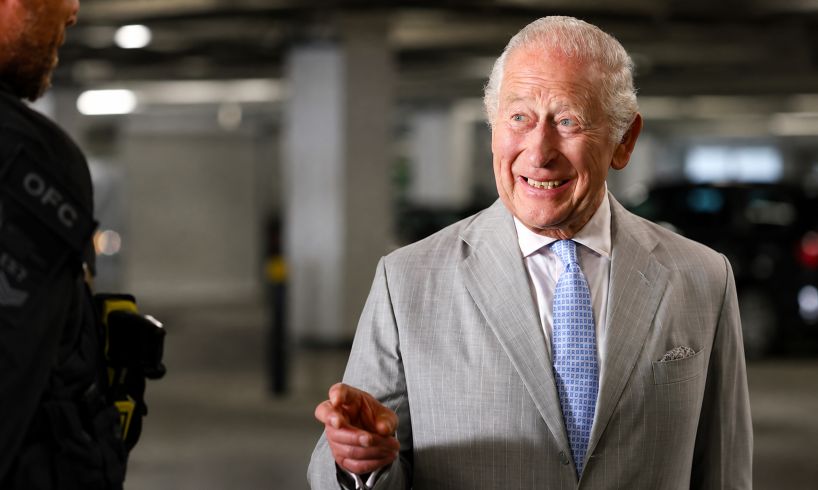
King Charles III and Prince William are preparing for one of the most solemn royal engagements of the year: a visit to Aberfan, the Welsh village where a catastrophic coal-tip collapse killed 144 people nearly six decades ago.
The King, Queen Camilla, and Prince of Wales are expected to attend commemorations on October 21, marking the 60th anniversary of the disaster.
Among those who died in 1966 were 116 children, many of them pupils at Pantglas Junior School. The tragedy became one of the darkest moments in modern Welsh history and remained deeply significant to Queen Elizabeth II throughout her reign.
Now Charles and William will take part in a remembrance event that links three generations of royal history with a community whose experience extends far beyond the institution’s ceremonial traditions.
The tragedy that changed Aberfan forever
On October 21, 1966, a mountain of mining waste collapsed above Aberfan. The coal-tip material moved downhill, engulfing buildings and striking Pantglas Junior School shortly after the school day had begun.
The disaster killed 116 children and 28 adults. The scale of the loss devastated the community, with families, neighbors, emergency workers, and volunteers involved in rescue and recovery efforts.
An official inquiry subsequently examined the circumstances surrounding the collapse and the failures that contributed to it.
The tragedy became a lasting example of what happens when industrial safety and organizational accountability fail.
For Aberfan’s residents, however, the disaster was never merely a subject of historical or political discussion.
It represented the loss of children, parents, neighbors, and loved ones whose absence continued molding the village across the generations.
The 60th anniversary will provide another opportunity to remember those people and the community that endured the tragedy.
Queen Elizabeth’s response became part of royal history
Queen Elizabeth II’s handling of the disaster became one of the most frequently discussed aspects of her relationship with Aberfan.
The Queen did not visit the village immediately after the catastrophe, arriving several days later. Her delayed appearance subsequently attracted criticism and became the subject of historical debate.
The episode was also dramatized in the television series The Crown, introducing the story to audiences unfamiliar with Aberfan.
Television can only tell part of the story. For the families who lost loved ones and those who lived through the disaster, the Queen’s response carried meaning no dramatization could fully convey.
Elizabeth later maintained a connection with Aberfan, and the disaster remained part of the historical record of her reign.
Her son and grandson preparing to participate in the 60th-anniversary commemorations reflects the continued significance of that relationship.
Charles and William represent two generations of responsibility
Charles’s involvement carries particular individual and historical meaning. He was already part of the Royal Family when the disaster occurred and subsequently served for decades as Prince of Wales.
His experience with the country spans periods of considerable social, economic, and constitutional change. William, who now holds the title of Prince of Wales, belongs to a different generation.
He visited Aberfan with Kate in 2023 and met people connected to the tragedy and its aftermath. The upcoming anniversary offers father and son an opportunity to participate together in an occasion defined by remembrance rather than royal celebration.
Their presence should not be interpreted primarily as a display of royal unity.
The central purpose is to honor the people who died and those whose lives were permanently changed.
That distinction is especially important because commemorations can sometimes become eclipsed by attention surrounding prominent visitors.
Wales marks 60 years since the Aberfan disaster
Plans are underway across Wales to remember those who died at Aberfan on October 21, 1966.
First Minister Rhun ap Iorwerth is due to attend the official remembrance ceremony, and organizations have been encouraged to hold a minute’s silence at 9:15 a.m.
Meanwhile, the National Library of Wales has put together an exhibition featuring photographs, historical documents, and personal accounts of the tragedy.
The anniversary will be remembered in several ways, with the royal visit forming just one part of the commemorations.
They recognize the importance of protecting historical evidence and making sure that younger generations comprehend what happened.
The commemorations also offer an opportunity to consider the ongoing relevance of industrial safety, public accountability, and institutions’ obligation to protect communities.
Those lessons persist important even while the original events become more distant in time.
A ceremony that must put survivors first
The anticipated royal visit will generate considerable media attention, particularly because of the presence of both the King and his heir.
But the story belongs first to Aberfan. The surviving families and community members have maintained the memory of the victims for six decades.
Their testimony and experiences give the anniversary meaning. Charles and William can demonstrate respect by listening, participating in remembrance, and appreciating the importance of the community’s history.
The strongest message they can convey is not about the monarchy itself. It is about accepting a loss that cannot be undone and making sure that its lessons are not forgotten.
On October 21, the Royal Family will return to a place that marks a painful chapter in Britain’s history.
Sixty years after the disaster, the attention should stay on the 144 people who died — and the lives they left behind.

Comments (0)