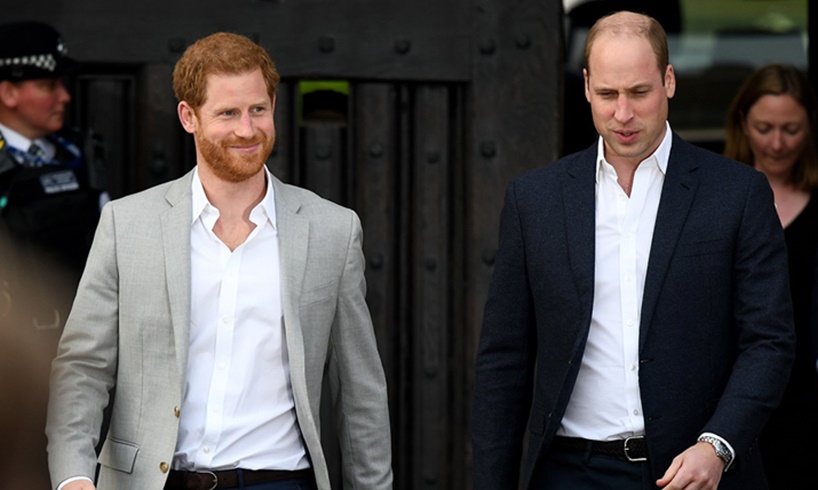
Prince William and Kate Middleton are facing an uncomfortable debate about what the future of the monarchy should look like, as questions grow over whether the couple are being encouraged to tone down the more glamorous parts of royal life to appear more relatable to ordinary Britons. With families across Britain dealing with rising living costs, there is an argument that the future king and queen need to be more conscious of how their privileged lifestyle looks to the public, but not everyone believes that making the Waleses appear less royal is the answer.
In a column for the Daily Mail, Richard Eden argues that William is being badly advised by people who appear more concerned about how his activities might be perceived than about preserving the glamour and traditions that have long surrounded the monarchy. His criticism centres on polo, a sport closely associated with the royal family, and the apparent reluctance of palace advisers to let William embrace it more openly.
The bigger and more complex question is how the royal family can stay in touch with ordinary people and understand the struggles they face without giving up the glamour and traditions that have always set the monarchy apart.
Is Prince William Being Told to Tone Down His Royal Lifestyle?
William used to play polo regularly, including matches against his younger brother, Prince Harry, but according to Eden, the heir to the throne now competes in only one match a year. A senior figure in the polo world told Eden that palace courtiers believe the sport looks elitist and is not sufficiently in keeping with modern expectations.
The source was particularly scathing about the idea that William should be discouraged from playing. “‘It’s not “woke”,’ the polo grandee said, before claiming that William had defended the sport by pointing to the money it raises for charity.
According to the source, William said: “‘You find me something else where I can raise £1million for charity in one hour and I’ll do it’.”
The same source said the latest match raised £1.1 million before delivering a blunt verdict on the limited schedule: “‘He plays only once a year now. It’s pathetic.’”
The comments suggest that, in the view of at least one senior figure in the polo world, William’s participation in the sport should not be treated as an embarrassing display of privilege when it can also generate substantial charitable donations.
Royal Glamour Versus the Pressure to Look Relatable
Eden also reports that William and Kate have become less visible at horse-racing meetings over the years, with one source suggesting that their advisers worry about the image created by attending fashionable events.
“‘They don’t think that being dressed up and quaffing champagne at Ascot is a good look,’” the source claimed.
Referring to the charitable projects associated with the Prince and Princess of Wales, the source added: “‘It jars with their projects.’”
That criticism reflects a wider dilemma for the royal couple. William and Kate are expected to support causes such as the environment, homelessness and early-years education, while also representing an institution built around tradition, ceremony and public spectacle. Their advisers may believe that avoiding certain displays of wealth helps them connect with people facing financial pressure, but critics of that strategy argue that royal glamour does not automatically undermine serious charitable work.
Eden makes his own position clear, writing: “In my opinion, the couple are being badly advised.”
He argues that the Waleses risk being pushed towards an image designed to appeal to a particular section of society, rather than being allowed to embrace the broader traditions of royal life.
‘We Need a Bit of Royal Glamour’
For Eden, the example of Prince Philip offers a different way of thinking about the issue. Philip was passionate about polo and continued to play for decades, even while carrying out his royal responsibilities and pursuing interests in technology, engineering and the environment.
Eden asks whether others would prefer to see the royals as “swashbuckling polo players like Prince Philip,” arguing that enjoying sport and glamour need not detract from serious public work.
“In these dreary times, we need a bit of royal glamour,” he writes.
It is a pointed argument at a time when the monarchy faces pressure to demonstrate that it understands the lives of ordinary people. Supporters of a more traditional royal image may feel that the institution should not have to apologize for its distinctive lifestyle, particularly when events such as charity polo matches can raise significant sums for good causes.
Others, however, argue that with so many people in Britain struggling to keep up with rising bills and living paycheque to paycheque, senior royals need to think carefully about how their luxurious and sometimes out-of-touch lifestyle comes across. For taxpayers and families already feeling the financial squeeze, the issue is not simply whether William should play polo or attend Ascot, but how the monarchy can enjoy its privileges while showing that it understands the pressures ordinary people face.
Could Prince Harry Steal the Spotlight?
Eden also raises the possibility that William’s reduced involvement in polo could create an opening for Prince Harry, who continued playing while living in California and even featured the sport in a Netflix series.
“If William is not careful, polo will be another way that Harry cocks a snook at him,” Eden writes, before asking: “How long before Harry starts playing again regularly here, upstaging his brother?”
The comparison adds a fresh complication to the debate, given the brothers’ strained relationship and their different public lives since Harry stepped back from royal duties. Harry’s continued interest in the sport could give him another opportunity to draw attention, while William’s limited participation may disappoint those who believe polo remains an important part of his royal identity.
A Kensington Palace spokesman declined to comment, Eden reports, although royal sources highlighted William’s annual polo match as evidence that he remains committed to the sport.
Ultimately, the question facing William and Kate is not whether they should ignore the financial pressures facing Britain, nor whether every royal tradition must remain untouched. It is whether the monarchy can show an understanding of ordinary life while retaining the glamour, individuality and sense of occasion that supporters believe are part of its appeal. For some, the Waleses need to read the room; for others, the danger is that, in trying too hard to appear ordinary, they could lose something that makes the monarchy distinctive.

Comments (0)