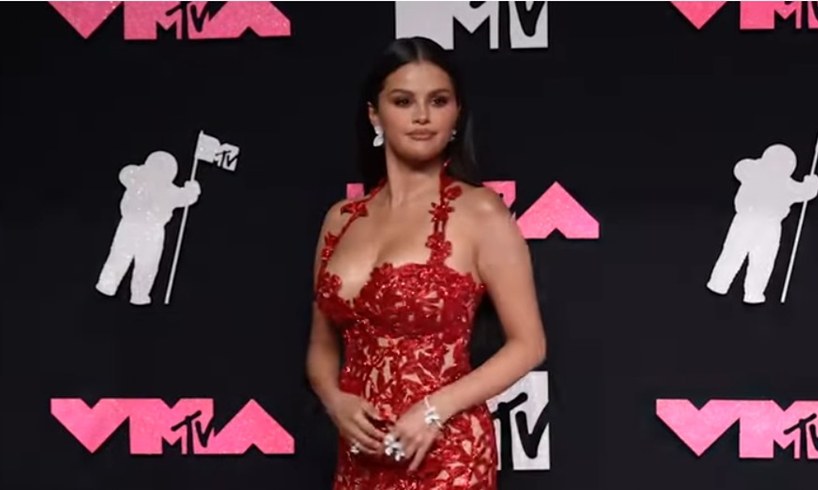
Selena Gomez has emerged victorious from a multimillion-dollar legal controversy involving her mental health startup Wondermind after the investors who accused her of fraud abruptly dropped their lawsuit, ending a potentially damaging courtroom battle.
The decision represents a significant legal victory for the 34-year-old singer and actress, whose involvement in the company had placed her at the center of allegations concerning misleading financial representations and the startup’s deteriorating business operations.
According to court documents reported on November 16 and 17, the plaintiffs voluntarily dismissed their lawsuit in its entirety, with prejudice.
That distinction is important. A dismissal with prejudice generally prevents the same claims from being brought again, giving Gomez and the other defendants finality in this particular legal dispute.
The investors had alleged that they contributed nearly $1.2 million to Wondermind after receiving misleading assurances about the company’s leadership, financial resources and business prospects.
But after Gomez’s attorneys mounted an aggressive defense challenging the allegations against her, the plaintiffs withdrew the case.
Her attorney, Mathew S. Rosengart, welcomed the development.
“Selena is pleased by the dismissal of the case and looks forward to putting the matter behind her,” Rosengart told People magazine.
The outcome is a major reversal for the investors, who had accused one of the world’s most recognizable entertainers of involvement in a fraudulent business arrangement.
However, the dismissal was voluntary rather than the result of a trial. The court did not determine whether the underlying allegations were true or false.
Investors Abandon Fraud Claims Against Selena Gomez
The legal dispute began on August 13, 2026, when two investment entities, Wondermind SRS 44 LLC and Bespoke Wondermind SPV I LLC, filed a lawsuit in federal court in Delaware.
The complaint named Gomez, her mother Mandy Teefey, entrepreneur Daniella Pierson and Wondermind Global Inc.
The investors alleged that they had been persuaded to invest approximately $1.2 million in Wondermind based on representations about the company’s infrastructure, leadership and prospects for commercial growth.
Their complaint described ambitious plans involving digital products, advertising partnerships and opportunities tied with Gomez’s considerable celebrity influence.
But the plaintiffs claimed that those expectations never materialized.
They also alleged that the company’s leadership failed to disclose serious financial difficulties while continuing to present Wondermind as a business with promise business.
The lawsuit raised allegations of securities fraud, common-law fraud and breach of contract.
Those were accusations made by the investors, not findings established by a court.
The dispute became particularly sensitive because Wondermind was closely associated with Gomez’s public devotion to mental health awareness.
The company was introduced in 2021 by Gomez, Teefey and Pierson, with the goal of making mental health services and conversations more accessible.
Gomez’s prominence helped attract attention to the project, which sought to combine media content, digital products and mental wellness initiatives.
But the business subsequently encountered serious financial difficulties.
In May 2025, Forbes reported that Wondermind had struggled to pay employees and had reduced its workforce substantially.
The investors later alleged that they had learned the full extent of the company’s problems through media coverage instead of direct communications from its leadership.
Those claims helped turn what might otherwise have remained a private commercial dispute into a high-profile legal confrontation.
Gomez’s Lawyers Deliver Forceful Defense
From the beginning, Gomez’s legal team rejected the suggestion that she had personally engaged in fraudulent conduct.
Rosengart argued that the lawsuit improperly attempted to hold the entertainer responsible for business decisions she did not control.
In an August motion seeking dismissal, her attorneys stressed the distinction between Gomez’s public association with Wondermind and her actual management responsibilities.
According to the defense, Gomez invested in the company and held a minority ownership stake but did not oversee daily operations.
Those responsibilities, her lawyers maintained, belonged to Teefey and Pierson, who served as co-chief executives and board members.
Gomez’s role was principally that of an investor, consultant and chief impact officer.
Her attorneys argued that the complaint failed to identify sufficient facts associating her personally to the alleged misrepresentations.
Rosengart also publicly challenged the legitimacy of naming Gomez in the lawsuit, describing the claims against her as meritless and suggesting that her legal team could seek sanctions.
The defense maintained that her celebrity status did not make her legally responsible for every representation or management decision associated with Wondermind.
That argument placed an important distinction at the center of the controversy.
A celebrity may provide visibility, credibility and financial support to a business without necessarily directing the business’s financial operations.
Whether such a celebrity can be held liable for alleged misrepresentations depends on the specific conduct, statements and applicable legal requirements.
Gomez’s attorneys insisted that the investors had not established the necessary connection.
The case ended before a judge issued a ruling on that argument.
What the Dismissal Really Means
The November 16 dismissal provides Gomez with a substantial legal victory, but its precise meaning deserves attention.
The plaintiffs voluntarily withdrew the lawsuit against all defendants, including Gomez, Teefey, Pierson and Wondermind Global.
Because the dismissal was entered with prejudice, the investors generally cannot return to court with the same claims.
That makes the outcome more consequential than a temporary procedural pause or a withdrawal allowing the litigation to be restarted.
It also means Gomez no longer faces this particular lawsuit.
But the filing does not establish why the investors decided to abandon their claims.
It does not publicly explain whether confidential negotiations preceded the dismissal or whether the parties reached a wider-ranging agreement.
Pierson’s attorney separately told Billboard that his client had paid no settlement.
That statement does not establish whether any other arrangements were made.
Nor did the court conduct a trial or issue a finding that Gomez had been falsely accused.
The distinction matters, particularly when describing a legal victory involving allegations of fraud.
Gomez successfully emerged from the litigation without an adverse judgment, but the voluntary dismissal should not be confused with a judicial declaration of innocence.
A Legal Victory After a Difficult Chapter for Wondermind
The collapse of the lawsuit does not automatically resolve the questions surrounding Wondermind’s business performance.
The startup’s reported financial struggles and the disagreements between its founders, managers and investors remain part of its history.
What has changed is Gomez’s immediate legal exposure in this case.
For months, she faced allegations that threatened to associate her name with a business venture accused of misleading its financial backers.
Those accusations carried potential reputational consequences for someone whose career extends well beyond entertainment.
Alongside her work in music and television, Gomez has built a successful cosmetics business through Rare Beauty and established mental health advocacy as an important part of her public identity.
Her association with Wondermind therefore attracted attention for reasons that exceeded the amount invested.
The lawsuit also illustrated the complicated relationship between celebrity endorsement, business ownership and management responsibility.
Public recognition can help a startup attract attention and credibility, but it can also expose a famous investor to scrutiny when the business encounters difficulties.
For Gomez, the legal battle has now ended without the investors obtaining a judgment against her.
The plaintiffs who once pursued allegations of fraud have withdrawn their claims and agreed to a dismissal that prevents the same dispute from being litigated again.
That does not erase Wondermind’s financial troubles or answer every question surrounding the company’s operations. But for Selena Gomez, it closes a potentially damaging legal chapter and delivers a clear-cut result in her favor: the fraud lawsuit is over, the claims have been withdrawn, and her accusers cannot simply bring the same case again.



Comments (0)