This month, Kate Middleton marked her 44th birthday with the release of the final installment of her Mother Nature video series.
Entitled Winter, the three-minute film features Catherine, Princess of Wales, walking through the Berkshire countryside at dawn, accompanied by a reflective voice-over.
While many fans have praised her radiant and healthy appearance following her cancer recovery, the video has sparked a wave of criticism from those who find the production “slick,” “out of touch,” and reminiscent of the Sussexes’ media style. However, prominent Daily Mail critic Liz Jones is being sent back to the drawing board because she did not understand the assignment.
The “Winter” Video Misfire
Jones argues that the idealized vision of rural life presented in the video—complete with “plinky plonky” music and poetic reflections—ignores the harsh reality of winter for the average British citizen.
While Kate reflects on nature as a “quiet teacher” that “helps us to heal,” in a lengthy piece by Jones, she points out that for those struggling with the cost of living or navigating the overstretched NHS, a soft-focus walk in a private park feels patronizing.
The author noted that the timing of the glossy commercial-like video is wrong on many levels. Releasing the video on her birthday, during a particularly cold and difficult winter, led some to label the move as Kate playing the late Queen Elizabeth II, suggesting a growing credibility gap between the monarchy and the public.
The journalist wrote in part: “I am so sorry to say this on her birthday, but who on earth told Kate that releasing this video, today of all days, when so many people are struggling, was a good idea? It’s not just unfortunate timing, it’s tone shows she – and by extension the Prince of Wales – has come unstuck. No matter how many hospital wards or Scout troops she might visit, she misses the mark in truly empathizing with the British public. And given the deep affection and respect we hold Kate in, that’s such a pity.”
The journalist explained that Princess Kate is starting to have a relatability issue.
Jones argues that the video delivers an “idealized 1930s vision” of rural life that feels entirely detached from the reality of shivering at bus stops or scraping ice off windscreens.
She suggests the timing—releasing such a polished, “commercial-like” film on her birthday — shows that Catherine and Prince William have “come unstuck” in their attempt to empathize with the British public. She argued that it would have been more powerful to see the princess clearing snow, delivering groceries, or speaking with cancer patients in a hospital setting.
Jones wrote: “This three-minute nature-fest shows Kate is as out of touch as if she’d released a film of herself sitting on a throne wearing a crown, or waving from a private jet as she heads off to the Caribbean or on another skiing jaunt. This is not how winter, especially in the countryside, is for the vast majority. The reality is shivering at a bus stop in a thin coat (rural poverty is the hardest of all) or scraping thick ice off the windscreen. Or shoveling snow so you can get the car out, feed the animals or even just get down the path. Where’s the mud, the chaos, the road crashes (I saw two this morning up here in the Dales)? Now that would have been a better video: Kate helping locals to clear snow outside a school or church. Delivering boxes of groceries. Chatting to people waiting to see a doctor.”
The author continued with the criticism by writing: “She is delivering an idealized 1930s vision of rural life that no longer exists, or perhaps only survives inside the royal parks and estates. Her diction, too, is reminiscent of the late Queen’s early Christmas messages to the nation – as clipped as one of Charles’s yew hedges.”
Comparison To Prince Harry And Meghan Markle
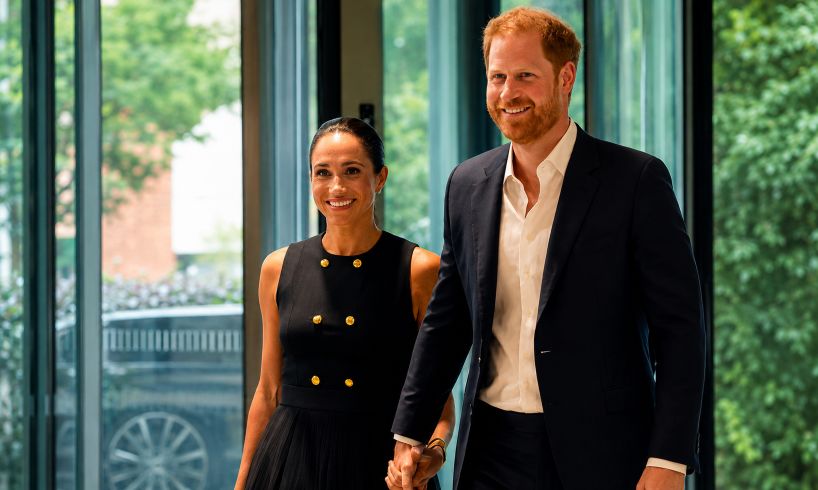
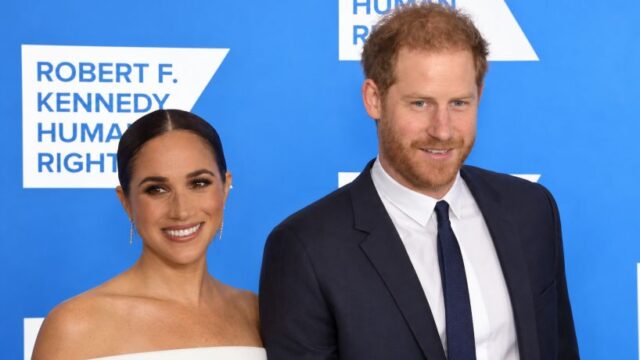
A recurring theme among critics is that these highly produced, cinematic offerings feel like a departure from the traditional royal protection of privacy. Some have noted that if Meghan Markle or Prince Harry had released a similar “soft-focus” video, the media reaction would have been far more severe. The shift toward “Instagram-style” PR is viewed by some royal traditionalists as an “unwise” attempt to be modern that ultimately misses the mark on true empathy.
Social Media Fallout
While loyalists celebrate her bravery and grace, the comment sections on platforms like Instagram have become a battleground.
One telling comment noted that the princess might not have had the same positive outcome if she had to “run the gauntlet of the often-incompetent NHS” like most citizens.
Others send Kate Middleton back to the drawing board by questioning why the video charity focuses on — why is the camera on Kate, nature, or personal healing? Why did she not include calls to donate to cancer charities or support those who cannot afford the “sanctuary” of nature?
Jones concluded with this heavy criticism: that Kate is making some in dire situations feel even worse after washing her parade in the woods and playing with river water.
She wrote: “Far worse, though, is her whole ‘Nature is our quiet teacher’ shtick, that it ‘helps us to heal’. I am afraid this misguided way of thinking reminds me of the Salt Path scandal, in which a seriously ill man claimed that a several-hundred-mile hike and bracing sea air cured him. I imagine those with no money and chronic ill health who can’t spare a second from their demanding lives to stop and appreciate a tree or a bird will be left feeling a little inadequate having watched this.”
King Charles III And Queen Camilla Reject “Celebrity” PR To Protect Monarchy’s Dignity
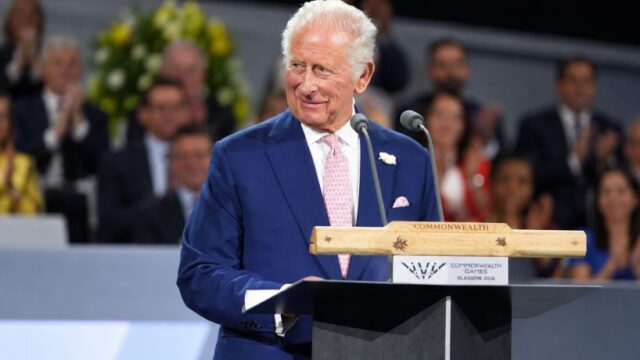
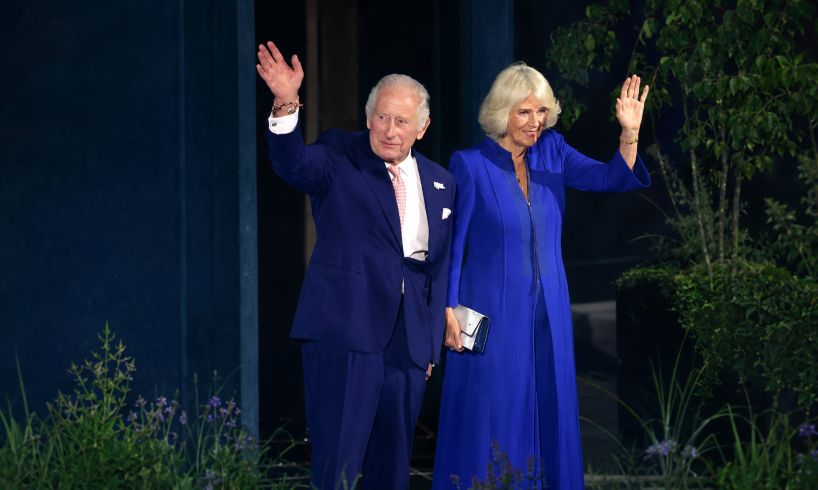
As the Royal Family navigates the digital age, a quiet but firm internal divide is emerging regarding the best way to maintain the Crown’s relevance. While the Prince and Princess of Wales have embraced highly produced, cinematic social media “mini-movies,” King Charles III and Queen Camilla are reportedly wary of the trend, believing that the monarchy’s power lies in tangible service rather than polished, celebrity-style content.
The Dangers Of The “Celebrity Royal”
The King and Queen have long maintained that becoming a “celebrity” is the greatest risk to the institution.
Insiders suggest His Majesty views the shift toward high-production, commercial-like videos as a double-edged sword.
They can lead to a significant trust gap and loss of mystery for the monarchy and members of the Royal Family.
Overly polished content can create a “glossy barrier” between the royals and the public, making them appear like influencers rather than public servants.
Traditional royal protocol relies on a degree of “unattainable dignity.” Turning the royal life into a curated digital series risks stripping away the very gravitas that separates the monarchy from Hollywood.
There is also a high risk of comparison with the real Hollywood and Netflix royals. Every “slick” video released by Kensington Palace invites direct comparisons to Prince Harry and Meghan Markle, whose media-first approach is exactly what the King wishes to avoid.
A Preference For “Bread-And-Butter” Duty
King Charles remains unconvinced by the highly produced Mother Nature series and heavy PDA-filled home movies released by Catherine, Princess of Wales, and her husband.
His Majesty and his wife believe that they are steady, grounded figureheads who value real-world connection over digital “likes” and Princess Kate and the heir should follow that approach.
The path to relevance is to prioritize “boots on the ground” and direct engagements—opening hospitals, meeting community leaders, and hosting state banquets—where the connection to the public is immediate and unscripted.
The King has recently championed a “digital detox,” encouraging the nation to focus on “friendships, family, and well-being” away from screens.
For decades, King Charles has been leading by example, insisting the monarchy’s role is to be a steady, analogue presence in an increasingly digital world.
The Message To William And Kate
While the King reportedly supports the younger generation’s desire to reach a modern audience, he is said to believe that Prince William and Catherine should be careful not to “come unstuck” by prioritizing optics over direct contact and impact.
The concern within the Palace is that if the extreme dial-down on face-to-face engagements and appearances and the sudden rise of the “mini home movies” trends continue, it may lead to a future in which the royals are judged by their “likes” and “views” rather than their duty and service. For King Charles, the path forward remains clear: the monarchy must be seen, not just “watched.”