The 2026 World Cup was meant to bring Americans together, but as the tournament nears, global politics have taken center stage. After the February 28 U.S. and Israeli airstrikes that killed Supreme Leader Ayatollah Ali Khamenei and triggered a new conflict in the Middle East, the effects are being experienced both in international sports and on America’s most popular podcasts.
This situation emphasizes the current state of presidential power. The administration has pushed aside traditional diplomats, but now faces strong opposition from the same populist media voices that helped it win the election.
A Summer Spectacle Shadowed by Airstrikes
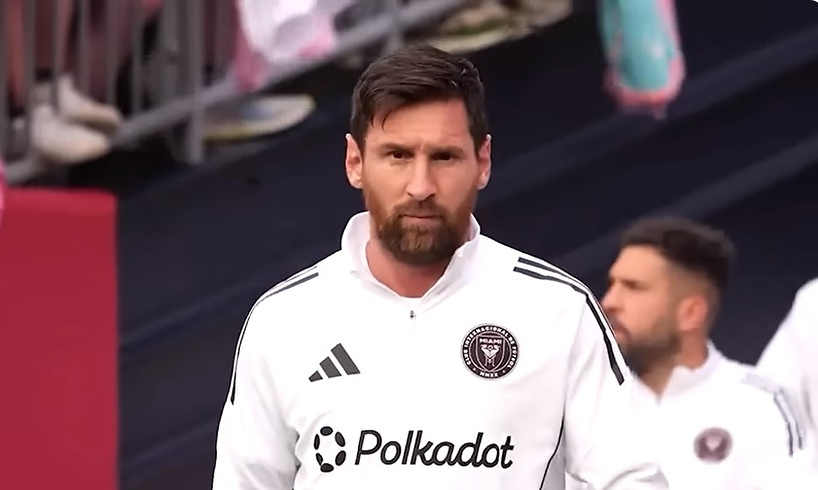
In a few months, Los Angeles is set to host the Iranian men’s soccer team for group-stage matches against New Zealand and Belgium. However, it now seems unlikely that these matches will happen. Iranian officials, citing serious security concerns after the killing of their leader, are signaling that they may withdraw from the tournament.
The loss of life from the strikes far outweighs the impact on sports. The Iranian Red Crescent Society reports over 1,200 casualties, with 570 more dead in Lebanon and 13 killed in Israel by retaliatory strikes. The instability has spread beyond the region. In Australia, some players from the Iranian women’s national team have chosen to seek humanitarian visas instead of returning home to a war zone.
Despite these events, tournament officials have responded with surprising detachment. When asked about the possibility of an empty locker room in Los Angeles, President Donald Trump simply said, “I really don’t care.”
FIFA, known for handling difficult situations in its host countries, is once again facing a complicated challenge. With flexible rules that allow for team replacements and large fines, FIFA seems more concerned with appearances than real action. FIFA President Gianni Infantino, who recently gave Trump a “FIFA Peace Prize,” says the US is still open to Iranian athletes. This view tries to separate politics from sports, but it overlooks how hard it is to ask a country to play in a place where its leader was just killed by the host’s military.
The Unlikely Dissidents of the Manosphere
While groups like FIFA go out of their way to support Washington’s tough stance, real opposition is growing at home. It is not coming from the United Nations or political parties, but from the large, mostly male audiences of alternative media — the same group that helped Trump win in 2024.
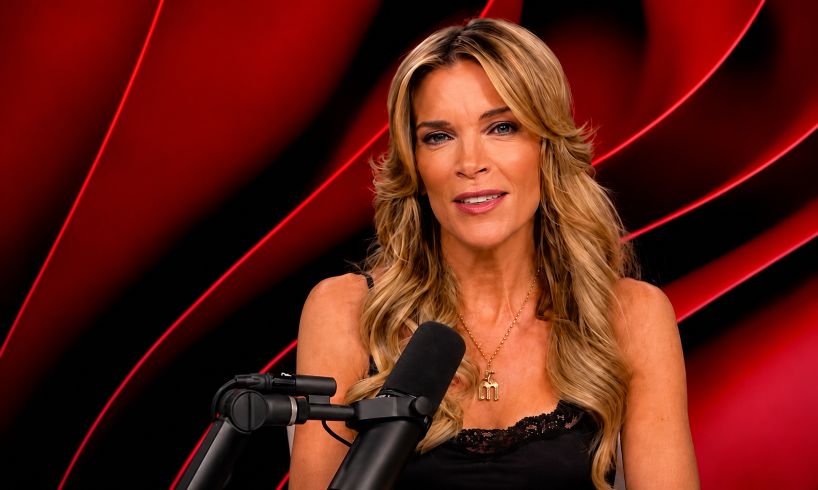
Joe Rogan, who reaches tens of millions of listeners, has become a surprising critic of the administration’s military actions. In his recent shows, Rogan has expressed a strong sense of betrayal among voters. Their main complaint is that the administration has moved away from its promise of “no longer endless wars.”
For Rogan the current situation reminds him of the overly optimistic start of the 2003 Iraq War. At the time, Donald Rumsfeld also claimed that the conflict would be short. He points out the difference between the current chaos in the Middle East and a recent, more targeted U.S. operation that removed Nicolás Maduro from Venezuela. For many in the podcasting world, the Venezuela mission seemed precise, while the Middle East strikes feel like a move toward a much larger conflict, adding Iran to a list of global crises that already includes Gaza and Ukraine.
The Limits of “America First” Doctrine
The White House is working hard to change the story, sending out spokespeople to describe the attack on Iran’s leadership as the true meaning of “America First.” They defend their actions by pointing to their military strength: stopping the nuclear threat, destroying missile systems, and defeating Iran’s navy. The administration claims that, unlike past leaders who only talked, it has taken real, bold action.
But this argument shows the administration may not comprehend its populist supporters. For commentators in the “manosphere” and their many listeners, “America First” never meant starting wars or changing other countries’ governments. They saw it as a pledge to keep the U.S. out of foreign conflicts and avoid risking American lives and money overseas.
The New Architecture of Accountability
The mix of sports, war, and podcasting shows that real political power in 2026 is shifting in surprising ways.
In the past, major military actions like this would have been challenged by the UN Security Council or through worldwide boycotts. Now, groups like FIFA are easily satisfied, even giving out peace prizes during conflicts. The real limits on presidential power have moved to the digital world at home. Podcasters with large audiences are now leading the debate on U.S. foreign policy.
If Iran officially withdraws from the World Cup, the empty stadium in Los Angeles will be more than just a sign of strained international ties. It will be a public notice that, while the president showed military strength overseas, he also caused a serious loss of trust among some of his own supporters. The matches will continue, but the political consequences are just beginning.