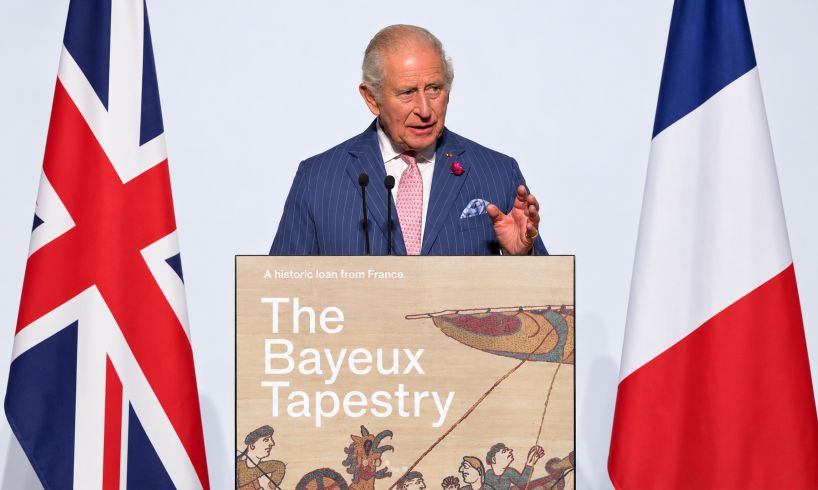
King Charles III may have hoped that his recent Commonwealth visit would help open a more constructive conversation about Britain’s painful history, but the latest public opinion figures reveal just how difficult that task will be. The King has spoken with striking emotion about the horrors of the transatlantic slave trade, describing it as a shameful chapter that fills his heart with horror and his soul with profound sorrow. Yet as he tries to build warmer relationships with Commonwealth nations, he finds himself caught between calls for Britain to acknowledge the suffering it caused and a public that appears far less willing to support financial compensation.
A new YouGov poll shows just how divided the country is on the issue. While 52% of Britons support an official apology for Britain’s role in the slave trade, only 21% back reparations, with 65% opposed. In other words, many are willing to see Britain acknowledge the wrongs of its past, but far fewer want that acknowledgment to come with financial compensation.
And that is where Charles faces an especially delicate position: he can express sorrow, encourage understanding and use his role to bring people together, but he cannot determine government policy or promise action on behalf of the country. With Caribbean leaders seeking more than words and politicians drawing firm boundaries around compensation, the King is left trying to promote reconciliation without having the authority to deliver everything those calling for it want.
The King Has Made His Feelings Clear, but an Apology Remains Out of Reach
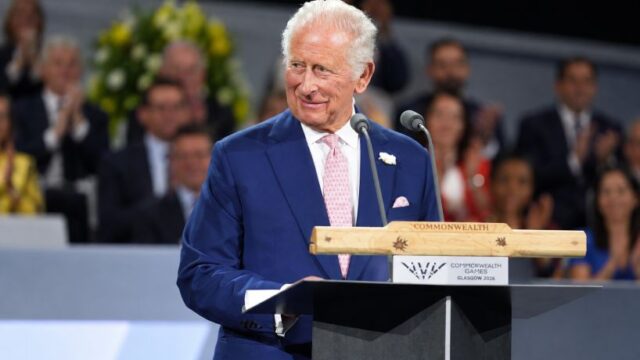
During his address to Commonwealth leaders in Antigua, Charles did not shy away from the suffering caused by the transatlantic slave trade. He acknowledged that its legacy continues to cast a shadow over Caribbean nations and other members of the Commonwealth, and said that learning more about the history had deepened his personal sorrow.
“The transatlantic trade in enslaved persons still casts a shadow over these islands and other members of our Commonwealth,” he said, before describing it as a “shameful chapter of history” that filled his “heart with horror and my soul with the most profound personal sorrow.”
His words were personal and unusually direct, reflecting a desire to acknowledge the suffering rather than simply move past an uncomfortable part of Britain’s history. He also spoke about building modern partnerships that could address past wrongs, pointing to education, employment, trade and climate resilience as areas where Commonwealth nations could work together.
But there was a significant limit to what he could say. Charles stopped short of issuing a formal apology or expressing support for reparations, with the Palace making clear that it would not be appropriate for the King to announce a change in government policy.
The Numbers Reveal How Difficult Reconciliation Will Be
The YouGov findings help show why this issue is so difficult to resolve. While more people support an official apology than oppose one, opinion is still divided, with 37% against it. The response is much less favorable when the question turns to reparations: nearly two-thirds of those surveyed oppose financial payments, while only just over one in five support them.
For King Charles, the figures show just how complicated this issue has become. His recent remarks suggest that he wants the suffering caused by slavery to be properly recognized, particularly by countries whose histories are closely tied to Britain’s. But the poll also reveals a clear difference in public opinion: while many people believe Britain should apologize for its role in the slave trade, far fewer support taking the next step and making financial reparations.
The findings also reveal political divisions. Green, Labour and Liberal Democrat voters were more likely to support an apology, while Conservative and Reform UK voters were more likely to oppose one. On reparations, opposition was widespread across most political groups.
That leaves the King in an uncomfortable position: the words he has chosen may help reassure Commonwealth leaders that their concerns are being heard, but they cannot resolve the disagreement over what Britain should actually do next.
Caribbean Leaders Want More Than Expressions of Sorrow
The difficulty is that Charles’s emotional acknowledgment, however significant, does not satisfy everyone. Caribbean leaders have repeatedly argued that an apology would be an important first step, but that it cannot be the end of the conversation.
Philip J Pierre, chair of the Caribbean Community, has stressed that an apology without repair is incomplete. The reparations plan advanced by CARICOM includes proposals involving education, public health, cultural restitution, debt cancellation and financial compensation, meaning the debate is considerably broader than simply asking Britain to write a check.
Prime Minister Andy Burnham has said he is open to discussing a formal apology and setting up talks with countries affected by the slave trade, but he has ruled out financial reparations. Instead, he has pointed to areas such as development, debt relief and investment as ways Britain could work with those countries in the future.
That approach may create room for discussion, but it does not remove the frustration among campaigners who believe Britain must go further.
Charles Is Trying to Build a Bridge Without Being Able to Set the Terms
The gap between the King’s words and the political debate back home is becoming harder to overlook. Commonwealth leaders are urging Britain to face the lasting consequences of slavery, while the public appears more willing to support an official apology than financial reparations. At the same time, politicians have made it clear that they do not intend to commit taxpayers to compensation.
King Charles cannot resolve that divide himself. As a constitutional monarch, he must remain within the limits of his role and leave decisions on government policy to elected leaders, even when discussing an issue with such deep historical and personal significance. He can acknowledge the suffering, encourage honest conversations and help maintain relationships with Commonwealth nations, but he cannot make commitments on behalf of the government or decide what form, if any, Britain’s response should take.
That may be the most difficult part of this moment for the King. He can acknowledge the horror of what happened, express sorrow and make the case for a more understanding relationship with Commonwealth nations, but he cannot guarantee that his words will be followed by the action campaigners want.
His recent remarks may have opened a door, but the figures suggest that Britain remains divided over how far it should walk through it. For a King who has placed reconciliation and a stronger Commonwealth relationship at the center of his message, being caught between the demands of history, the expectations of Caribbean nations and the limits of public support is an uncomfortable position indeed.


Comments (0)