Today’s digital sports world blurs the line between reporters and their subjects because everyone wants news right away. But when that line disappears completely, the consequences are rarely shared equally.
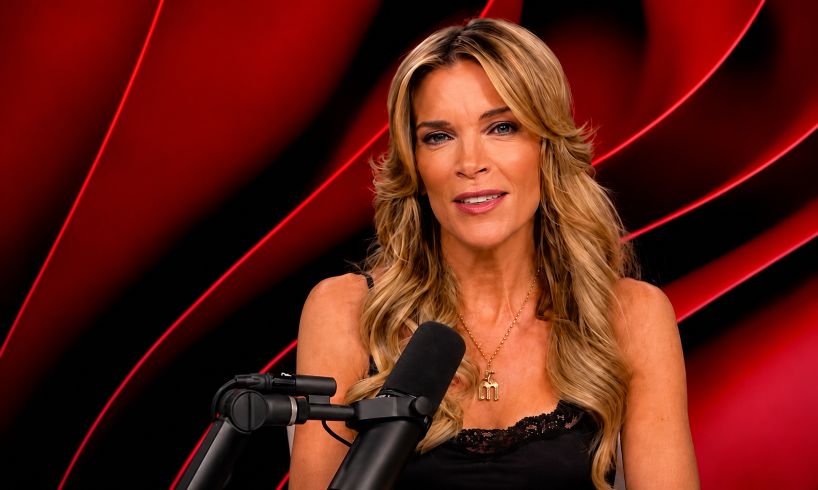
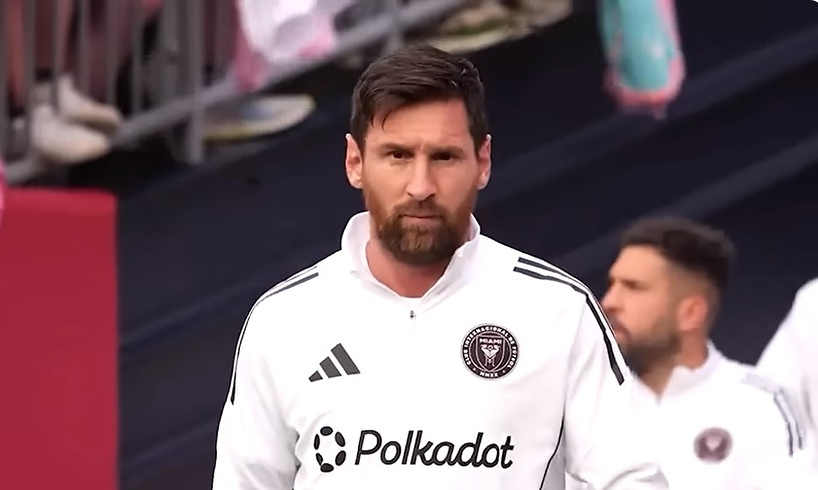
News of an alleged long-term relationship between Patriots head coach Mike Vrabel and NFL insider Dianna Russini has shown two very different ways of handling a crisis.
Vrabel, 50, a powerful coach, has the protection of his team behind him. Russini, a reporter whose reputation depended on trust, has lost her professional standing.
This Mike Vrabel and Dianna Russini story, which reportedly began with paparazzi photos from a New York bar in 2020 and continued to an Arizona resort in 2024, is about more than a tabloid romance.
It reveals an unwritten rule in sports media: when reporters get too close to their sources, the league protects its own people, but the media turns on its own.
The Institutional Shield vs. The Digital Guillotine
A head coach can survive a public relations crisis by quickly changing his approach. For a reporter, survival depends on being trusted. If that trust is lost, the reporter’s career is usually finished.
This unfairness is the real tragedy of what happened to Vrabel and Russini. Both faced stories in Page Six and TMZ, but how the industry treated them over the past two weeks shows a clear double standard when it comes to ethics.
The NFL has already said it will not investigate Vrabel under its personal conduct policy. With the Patriots’ strong PR team behind him, Vrabel shifted his approach.
At first, he called the Arizona photos “laughable” and “completely innocent,” but then he changed course. He took responsibility and presented his crisis as a chance to grow.
Vrabel announced he would take a leave of absence during the NFL Draft to get counseling and spend time with his family. The Patriots quickly praised him for wanting to become “the best version of himself.”
Vrabel’s career goes on. His team praises him for being open about his struggles. He remains protected.
Russini, on the other hand, faced harsh treatment online. For reporters, their X (formerly Twitter) feed is their main way to share news and build their career, so staying silent can be damaging.
After she tried to post regular football updates but was met with a flood of negative comments, Russini deleted her accounts and made her Instagram private.
When Russini resigned from The Athletic before an internal investigation, it was not just a break from her career. It was the complete loss of the professional reputation she had carefully built.
Interestingly, some observers blame 43-year-old Russini for making her situation worse by not coming clean about the whole story.
The Paradox of the Insider Economy
This situation shows a tough truth: the same system that ended Russini’s career is the one that made her build it this way from the start.
The current “insider” culture means reporters have to build close, personal relationships with coaches, executives, and agents. They need to be so connected that they hear about big trades before anyone else.
But when the idea of a clear boundary between reporters and teams disappears, it is the journalist who suffers the most.
In her resignation letter, Russini said she was stepping away to stop the media frenzy from taking over her career and criticized what she called “unmoored” speculation.
But in breaking news, what people think is what matters. If fans believe a reporter’s stories come from a romantic relationship, it is impossible for her to be seen as objective.
A Playbook for Erasure
Vrabel’s shift from denying the story to seeking redemption, saying his first statements were an “attempt to protect” his family, shows the privilege that comes with power in the NFL. He is allowed to admit mistakes and ask for help.
Russini does not get a chance to redeem herself. By deleting her social media, she quietly admits how tough her industry is. Without a platform and the trust of her audience, an insider can no longer do her job.
At its core, the scandal exposes a troubling double standard in sports media. League figures and the press may share the same space, but they do not share the same accountability. When trouble hits, the coach finds protection, but the reporter is left with nothing.