Sophie Cunningham has shown no sign of retreating from her position on transgender athletes in women’s sports. With every Indiana Fever road game, the controversy appears to follow her, bringing protests, political endorsements, and increasingly personal attacks.
The discussion intensified during Indiana’s game against the Portland Fire. When Cunningham entered the game, the crowd booed loudly and many people waved transgender pride flags around the arena.
Despite the pressure, Cunningham helped Indiana win 112-98, scoring 13 points as the Fever extended their winning streak to five games. After the game, she said that hostile crowds would not stop her from speaking out.
Sophie Cunningham Refuses To Bend After Portland Backlash
Cunningham has often explained that she takes her position to protect opportunities for girls and women, not out of hostility toward transgender people.
Before the Portland game, Cunningham said she would keep being herself, even if fans strongly disagreed with her. “I’m not gonna … dim my light just because maybe people don’t agree,” Cunningham said.
The boos made it clear that this issue is no no longer simply about one interview or a social media debate. Cunningham now gets strong reactions in some opposing arenas. Similar scenes happened during Indiana’s recent trip to Seattle, where supporters and counterprotesters gathered outside.
Cunningham said she did not help organize the demonstrations. She called them examples of people using their freedom of speech and praised those who are willing to share their beliefs in public.
By standing her ground, Cunningham has gained support from people who see her as one of the few WNBA players willing to challenge the league’s mostly progressive culture. However, many longtime fans feel her views go against the inclusive identity the league has worked to build.
Katie Nolan Launches Brutal Attack On Cunningham’s Reasoning
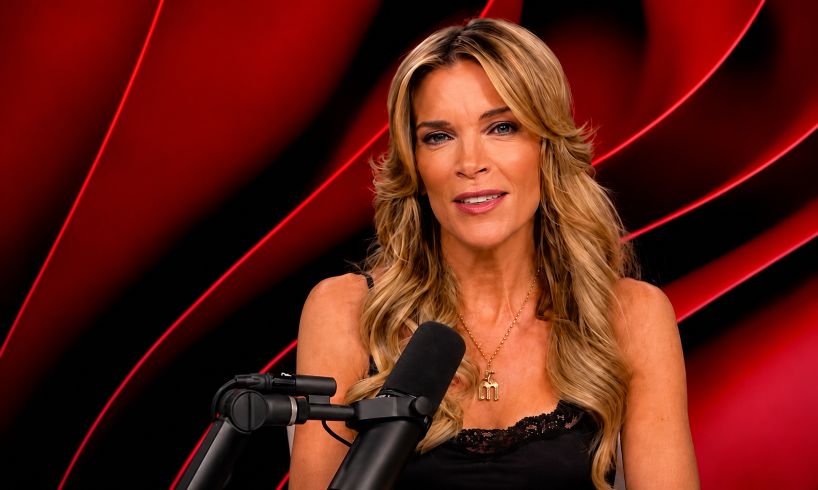
Sports commentator Katie Nolan gave one of the strongest public responses so far, saying Cunningham accepted a simple political message without really looking at the bigger debate.
On her Casuals podcast, Nolan said that transgender participation in sports is much more complex than the slogans used by activists and politicians.
Nolan said Cunningham’s view does not address important questions about eligibility rules, medical transition, age groups, and the differences between professional, college, and youth sports.
“The statement itself does not reflect the actual issue that we’re discussing,” Nolan said.
Nolan also suggested that Cunningham does not have the critical-thinking skills needed to discuss the issue responsibly. This accusation made the dispute more heated because it questioned Cunningham’s intelligence instead of just her policy views.
This criticism may make Cunningham’s supporters feel she is being punished for sharing an opinion that many Americans hold. Her critics say that public figures who join vigorous debates should be ready to defend their views under close scrutiny.
Is Sophie Cunningham Making The Culture War Part Of Her Image?
Some critics believe Cunningham’s continued involvement in the transgender sports debate is doing more than expressing a personal opinion. They say the controversy is helping Cunningham build a stronger and more recognizable identity beyond basketball.
She has embraced an outspoken public image and shown little hesitation about entering difficult or divisive conversations. Her stances have made her stand out from players who avoid becoming involved in political and controversial battles. Conservative commentators support her, and White House officials have also defended her position.
This kind of attention could lead to opportunities like podcasts, merchandise, speaking events, or alliances with groups focused on women’s sports.
However, there is no clear evidence that Cunningham worked with political groups or planned the demonstrations outside Fever games. In both Seattle and Portland, she said she had no contact with the organizers and did not attend the rallies or use them to promote herself.
Sportswriter Seerat Sohi argued in The Ringer that the situation is more complicated than simply labeling Cunningham a political opportunist.
“Sophie sells shirts, not political views,” Sohi wrote, suggesting that Cunningham is connecting with an existing audience rather than creating a new ideological movement.
Sohi also noted that Cunningham did not publicly welcome the activists supporting her. This restraint makes it harder to argue that she is trying to create a political spectacle, even though the controversy has clearly raised her profile.
Cunningham may not have chosen the culture-war role people are giving her, but every interview, post, and confrontation will shape whether that role becomes part of her public identity.
White House Support Turns WNBA Dispute Into Political Battlefield
The issue grew beyond basketball when White House press secretary Karoline Leavitt publicly supported Cunningham.
Leavitt called the criticism of the Fever guard “astonishing” and said that Cunningham’s position matches what the Trump administration sees as mainstream public opinion.
This support may help Cunningham with conservative audiences, but it also makes it harder for the WNBA to keep the dispute from turning into a partisan fight.
The rallies outside Fever games have already connected Cunningham’s name to organized political campaigns. The demonstration in Seattle promoted a Washington state ballot initiative that would restrict transgender students from competing in girls’ school sports.
The issue becomes harder for the league to manage when political figures and outside organizations use a player’s words to advance their own causes. Suddenly, every matchup carries the possibility of becoming a culture-war spectacle.
Seattle Storm Incident Reveals Growing Danger For WNBA
The biggest warning for the league may have happened in Seattle, where Storm co-owner Celeste Keaton confronted two young Cunningham supporters who were holding signs courtside.
Reports said Keaton used profanity when talking to them. The Storm apologized, and the WNBA fined Keaton and banned her from the team’s next five home games.
Cunningham criticized the co-owner’s behavior and said people should be able to disagree without attacking each other. “You can disagree and still be kind,” Cunningham wrote.
Meanwhile, Seattle player Stefanie Dolson responded differently by wearing a shirt that said transgender rights are human rights before the Fever-Storm game.
These incidents show how the dispute is spreading through all parts of the WNBA, including players, coaches, owners, fans, sponsors, political groups, and rival fan bases.
Is The WNBA Mishandling A Crisis Which Might Become A War?
Some critics think the league has been too cautious, which has allowed resentment to grow on both sides.
Before the Seattle game, an Indiana Fever representative stopped a question to coach Stephanie White and said the team wanted reporters to focus only on basketball. This may have prevented things from escalating right away, but it also made it seem like the team was trying to avoid a real discussion.
Others say that not fueling the controversy is the right move. Even though there was a big online debate, only a few dozen people joined the demonstrations in Seattle and Portland. Most fans still seemed mainly interested in the basketball games.
White admitted it was frustrating to see a political controversy take attention away from her team’s performance, but said the WNBA needs to handle tough situations and “lead with conversation.”
This might be the only way the league can move forward in the long run. If the league ignores every controversy, transgender fans may feel left out.
If it treats Cunningham as an enemy, it could push away fans who agree with her concerns. Letting owners, players, or fans attack each other would create a situation that is hard to control.
The WNBA does not have to force one political view on all athletes. But it does need clear rules for respectful behavior, how fans are treated, media access, and security when demonstrations happen at games.
Sophie Cunningham Debate Is Now Bigger Than One Player
Cunningham has become the main figure in a conflict that was already on its way into the league.
Her comments did not start the national debate about transgender participation in sports, but her high profile has brought the issue into WNBA arenas. The boos, rallies, political support, and ownership controversy show that the issue will not go away just because teams want to focus on basketball.
The biggest risk is not that players have different opinions. It is that these differences could turn into hostile groups that stop seeing each other as teammates, colleagues, or real fans.
Cunningham has the right to share her views. Nolan, Dolson, and other critics also have the right to challenge her.
The WNBA’s job is to make sure this disagreement does not turn into an out-of-control political fight that takes over the league everyone wants to protect.