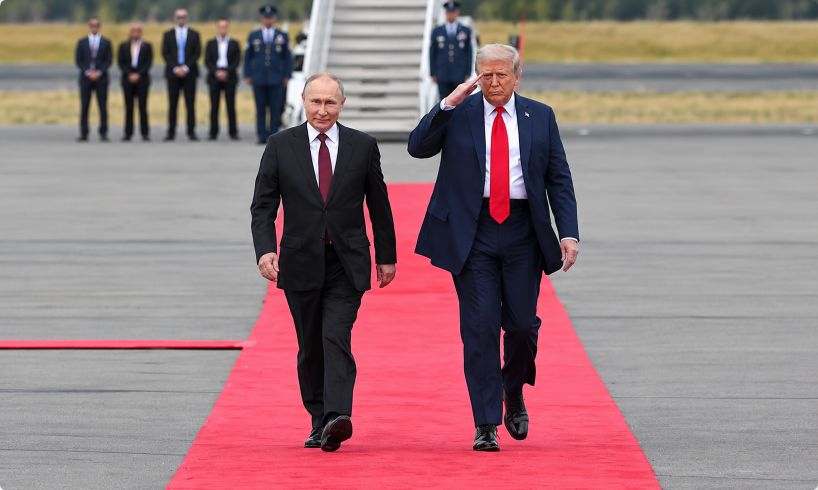
Donald Trump had a blunt message for Vladimir Putin when he arrived at the United Nations: “Settle the war.” Three simple words from the American president, delivered publicly as he prepared to meet Ukrainian President Volodymyr Zelenskyy and push once again for an end to Russia’s war against Ukraine, but what happened next created a striking contrast that was impossible to overlook: while Trump was calling for the fighting to end, Russian attacks continued across Ukraine and Zelenskyy was warning that Moscow could be preparing another major assault.
Trump delivered the message on September 22 as he arrived at the UN General Assembly in New York. Asked what he wanted Putin to hear, Trump did not offer a long diplomatic explanation. He simply said: “Settle the war.”
The timing was significant because Trump was preparing to sit down with Zelenskyy, while his administration continued trying to find a diplomatic path toward ending the conflict. Yet the battlefield was moving in the opposite direction.
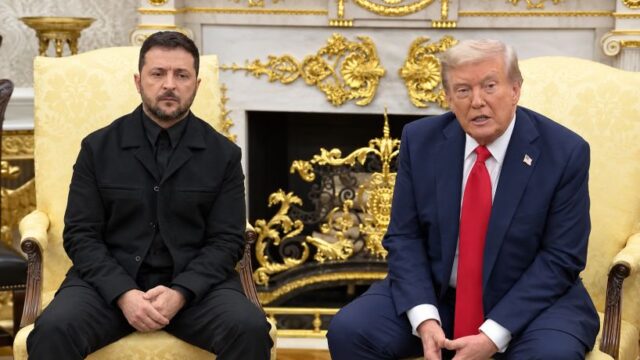
Zelenskyy arrived in New York with his own urgent message, saying he wanted the war ended before winter and that Trump could play an important role in helping achieve it. After their meeting, which Zelenskyy described as “positive and productive,” the Ukrainian president said the two countries had discussed “potential de-escalatory steps that can open up the way to diplomacy.”
Then Zelenskyy made a potentially important offer. Ukraine, he said, was prepared for an “energy ceasefire” in which Kyiv would stop attacking Russian energy infrastructure if Moscow stopped attacking Ukraine’s energy system.
“We are ready for energy ceasefire,” Zelenskyy said, adding that Ukraine was prepared to stop attacks on Russian diesel facilities and refineries “if they will not attack our energy system, our electricity, heating system, water supplies.”
That was an important distinction. Zelenskyy was not announcing that Ukraine would simply surrender its attacks because Trump had asked for them to stop. Instead, Kyiv was proposing a reciprocal arrangement: if Russia stopped targeting the infrastructure keeping Ukrainian homes and cities functioning, Ukraine would stop targeting Russian energy facilities.
And while that diplomatic proposal was being discussed, Russian military activity continued.
Russian forces carried out another wave of attacks against Ukraine, with Ukrainian officials reporting strikes on Kyiv and other areas, including damage to infrastructure and injuries. Zelenskyy also warned that Ukrainian intelligence indicated Russia was preparing another large-scale attack.
That creates the extraordinary image surrounding Trump’s latest message to Putin. The American president had just said “Settle the war.”
Zelenskyy had offered a possible first step toward de-escalation. And yet Russian attacks continued.
It would be too strong to claim that Putin personally “answered” Trump by ordering those attacks specifically because of Trump’s words, because there is no verified evidence establishing that connection. But as a political and diplomatic sequence, the contrast is striking: Trump’s public demand for an end to the war was followed by continued Russian military action rather than an immediate halt in fighting.
The energy issue has also become increasingly important in Trump’s efforts to pressure both sides.
Trump has expressed concern about Ukraine’s attacks on Russian refineries because of their impact on fuel markets. Before meeting Zelenskyy, he said the Ukrainian strikes were “a serious hit on the Russians” but also “a serious hit on the price of diesel.”
Zelenskyy’s response was essentially that Ukraine could stop those attacks if Russia was prepared to stop its own attacks on Ukrainian energy infrastructure.
That puts the Kremlin in an interesting position. If Moscow accepts the proposal, the two sides could potentially establish a limited energy truce as winter approaches. If Russia rejects it, Ukraine can argue that it offered to stop striking Russian energy targets provided Russia did the same.
Meanwhile, Zelenskyy has said he remains willing to meet Putin and has suggested that Trump could help arrange a trilateral meeting between the three leaders.
But the fundamental question remains unanswered: Will Putin actually move toward the settlement Trump is demanding?
Trump can say “Settle the war.” Zelenskyy can offer an energy ceasefire. Diplomats can arrange meetings and discuss possible agreements.
But none of that stops the missiles and drones. For now, the battlefield is delivering a very different message from the diplomatic stage.
Trump has made his demand. Zelenskyy has offered a possible opening. And Russia’s attacks continue.
So while the evidence does not show that Putin deliberately answered Trump’s plea with a specific military order, the timing has produced a powerful and unsettling contrast: Trump called for the war to end, Zelenskyy offered a path toward de-escalation, and the fighting continued.

Comments (0)