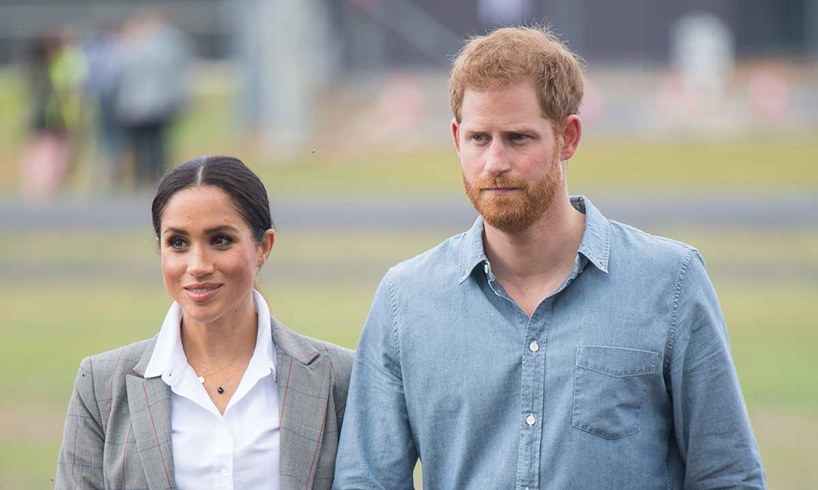
Meghan Markle may have one less royal headache to worry about if she ever finds herself face-to-face with Princess Catherine at a formal event, because the rules governing who must bow or curtsy to whom are not quite as straightforward as some royal watchers might think.
While the Duchess of Sussex would be expected to show respect to the King and Queen Camilla, her position becomes more complicated when it comes to Catherine, and one important detail could make all the difference: whether the Princess of Wales is standing alone or accompanied by Prince William.
For Meghan, who stepped away from royal duties alongside Prince Harry in 2020, the prospect of returning to the same room as the Waleses would already come with plenty of attention. Given the years of tension and speculation surrounding the two couples. The last thing she would need is for a greeting to become another headline, with every movement scrutinized and interpreted as a sign of respect, resentment or an attempt to make a point.
Yet, according to royal commentator Richard Kay, the etiquette surrounding royal greetings is more nuanced than the familiar image of women dipping into elaborate curtsies whenever they encounter another member of the family.
Meghan May Not Have to Curtsy to Catherine After All
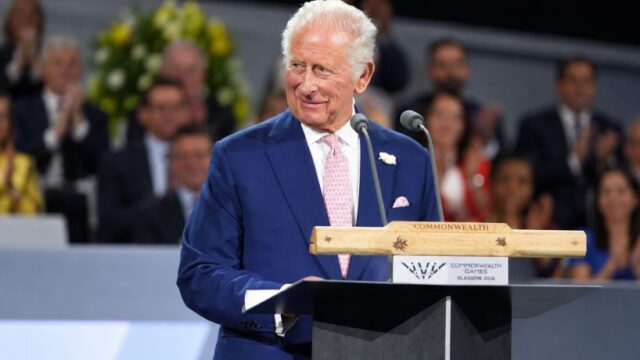
Kay explained that since King Charles became monarch, some protocols around formal greetings have been relaxed, although members of the Royal Family are still expected to bow or curtsy to the sovereign and Queen Camilla. The situation is less clear-cut when two women who both hold the title of Her Royal Highness meet.
As Kay explained, the general rule is that one royal highness does not automatically curtsy to another simply because of their shared royal status. That means Meghan would not necessarily have to curtsy if she encountered Catherine alone.
However, there is an important catch. If Prince William were standing beside his wife, Catherine’s position as the wife of the heir to the throne would affect the expected greeting, and Meghan would be expected to curtsy to her.
It is a subtle distinction, but one that could make a considerable difference during a formal royal engagement, where even a brief greeting can attract an extraordinary amount of attention.
Why Prince William’s Presence Changes Everything
The rules are not simply about who has the more familiar title or who is more popular with the public. Royal precedence depends on rank, position and whether a royal woman is accompanied by her husband.
The traditional order of precedence means Catherine and Meghan’s standing can differ depending on whether their husbands are present. What does that mean?
Well, according to the unwritten rules, when accompanied by William and Harry respectively, the women’s positions reflect their husbands’ places within the monarchy. When they are on their own, the situation becomes more complicated.
Kay also pointed out that the etiquette can become so confusing that royals sometimes bow or curtsy to one another at public engagements simply to avoid getting it wrong when several family members are present.
That may help explain why formal royal greetings can sometimes look like a carefully choreographed dance, with everyone trying to navigate the rules without creating an awkward moment.
The Royal Etiquette Minefield Meghan Would Have to Navigate
Kay acknowledged that the whole business of deciding when to curtsy, whom to curtsy to and whether a greeting is expected can be exhausting, particularly for women whose every movement may be examined by royal commentators and the public.
He also noted that the rules of precedence can produce some surprising technical distinctions, including situations in which Catherine and Meghan, when unaccompanied by their husbands, would technically be expected to defer to Princesses Beatrice and Eugenie. Kay added that he could not recall seeing such a situation actually occur.
Royal men, meanwhile, have a simpler option at Court, as they can bow their heads when greeting other members of the family.
For Meghan, the takeaway is that an encounter with Catherine would not automatically require the same greeting in every circumstance. The details of who was present and the formality of the occasion would matter.
That does not mean a future meeting between the two women would necessarily be comfortable, nor does it signal that their relationship has improved. But it does offer a reminder that royal etiquette is more complicated than the simple idea that Meghan must always curtsy to Catherine.
If the two women ever do meet again at a formal event, the question may not be whether Meghan has to bow to her sister-in-law in every situation, but whether the Prince of Wales is standing beside his wife when they exchange greetings.

Comments (0)