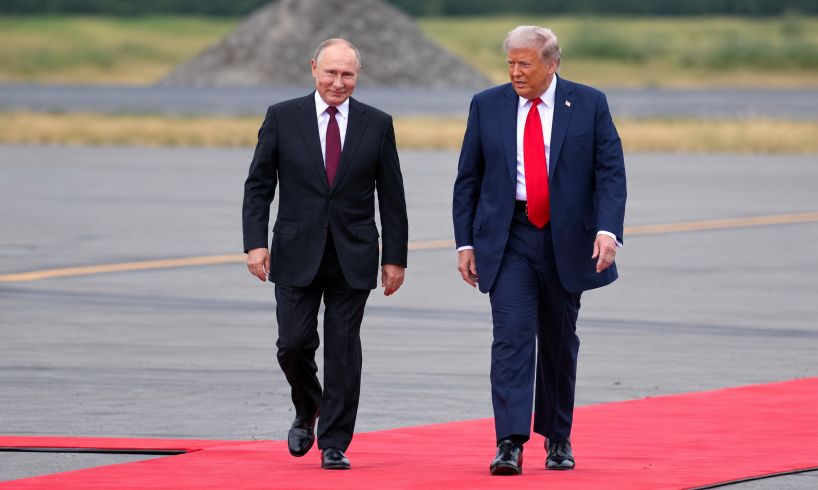
Donald Trump has once again handed Vladimir Putin a diplomatic opening, putting a sweeping package of Russia sanctions on hold just weeks after signing the legislation himself, and the timing is raising uncomfortable questions about whether the American president is genuinely prepared to squeeze Moscow or whether his determination to strike deals with the Kremlin is beginning to outweigh his promises to hold Russia accountable for its war against Ukraine.
The decision is particularly striking because the legislation was designed to increase economic pressure on Russia, targeting its financial resources and creating the possibility of steep tariffs on countries continuing to buy Russian oil and gas. Yet on October 16, Trump signed an executive order waiving key provisions before they took effect, telling Congress that the decision was in the national interest of the United States.
For Putin, the pause offers a welcome reprieve from a measure intended to make it more expensive for Russia to finance its war against Ukraine.
For Trump, however, the move creates a political contradiction that is difficult to ignore: he personally signed the law in September, but has now delayed its implementation at a moment when his administration is also pursuing a deal with Moscow over diesel supplies.
Trump’s Sudden U-Turn Raises Questions
The sanctions package, named after the late Republican senator Lindsey Graham, was intended to increase pressure on Russia and potentially impose tariffs of up to 100% on major importers of Russian oil and gas under specified conditions. The law also gave the president the authority to waive the measures if he certified to Congress that doing so served the national interest.
Trump used that authority to put the new measures on hold, but the White House did not immediately provide a detailed public explanation of why the pause was necessary. Reuters reported that the administration had been weighing concerns about energy prices, with the measures potentially adding to costs at a politically sensitive moment ahead of the November midterm elections.
That leaves an obvious question: if the legislation was worth signing just weeks ago, what changed so dramatically that its most consequential provisions had to be put on ice before they took effect?
The administration may argue that flexibility is necessary to negotiate with Russia and protect American economic interests, but critics see a different problem — a president who repeatedly promises to confront Moscow yet appears willing to ease pressure when a potential deal comes into view.
Critics Accuse Trump of Sucking Up to Putin
The reaction from Trump’s critics was swift and pointed.
Senator Richard Blumenthal, a Democrat who helped draft the legislation, directly challenged the president’s explanation, saying: “These waivers have nothing to do with our national security, and everything to do with sucking up to Vladimir Putin.”
Representative Don Beyer also accused Trump of backing away from the pressure Congress had intended to apply, warning that the pause undermined the purpose of the legislation and American support for Ukraine.
Trump’s critics argue that delaying the sanctions could weaken America’s position before Russia has made any real concessions. Supporters of the move, however, are pushing the theory that it is a way to keep negotiations open and give the president more room to pursue a deal with Moscow.
The controversy has grown further following reports of a possible diesel arrangement involving Russia, raising fresh questions about whether Trump’s efforts to ease energy pressures could end up benefiting Moscow at a time when Washington is supposed to be increasing the cost of its war against Ukraine.
Trump said Moscow would supply substantial quantities of diesel to global markets in an effort to ease energy costs, but critics warned that easing restrictions on Russian exports could provide Moscow with revenue that helps sustain its war effort.
Is Trump Afraid of Putin?
That is the question critics will inevitably ask, particularly when Trump’s latest decision appears to move in the opposite direction from the tougher approach promised by the sanctions law.
But the decision does not establish that Trump is afraid of Putin, and there is no direct evidence that fear explains his reasoning. The president has instead invoked the national interest, while the administration’s economic concerns offer one possible explanation for the timing.
Still, the political optics are difficult for Trump to escape. Putin’s government gets breathing room from new penalties, the Kremlin has an opportunity to pursue economic engagement with Washington, and Ukraine’s supporters are left questioning whether the pressure they helped secure will ever be fully applied.
Putin’s investment envoy, Kirill Dmitriev, welcomed the waiver with a bombastic statement saying it is “a truly historic moment”. He argued that the legislation could have effectively halted economic cooperation between Russia and the United States.
That reaction makes the stakes clear: Moscow sees value in Trump’s decision, even as Washington’s critics fear the United States has surrendered leverage without securing a comparable concession.
Trump may believe he is keeping his options open, protecting American consumers and leaving room for a diplomatic breakthrough. But until the administration explains what it expects to gain from the pause, the central question will remain: is Trump using sanctions relief to negotiate from strength, or is Putin benefiting from a softer American approach without having to give enough in return?
For now, the sanctions are on hold, the argument over Trump’s Russia policy is intensifying, and Putin has gained something every negotiator values — more time and more room to maneuver.

Comments (0)