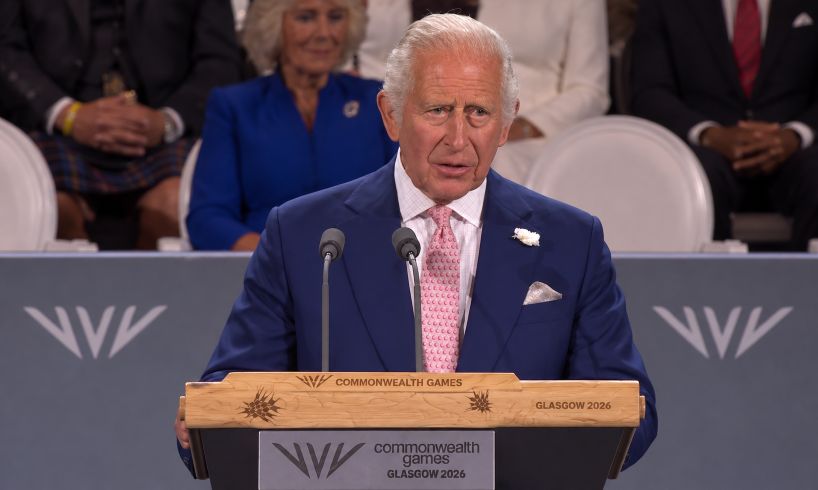
King Charles III appears to be drawing a very clear line with his younger and estranged brother, Andrew Mountbatten-Windsor, making it known that whatever private financial support he receives from the monarch is not intended to pay for his legal battles. It is a striking change for a man who spent much of his life enjoying the privileges that came with being the son of Queen Elizabeth II, particularly given Andrew’s reputation as her favorite son, but the message from Charles seems increasingly difficult to miss: he may be willing to help his brother financially, but that does not mean he is prepared to cover every expense that comes with Andrew’s mounting legal troubles.
King Charles Draws a Firm Financial Boundary
The issue came into focus after Andrew launched legal action against Thames Valley Police over search warrants used during searches of properties linked to him earlier this year. The legal challenge followed his February arrest on suspicion of misconduct in public office, in connection with allegations that he shared sensitive information with Jeffrey Epstein while serving as the United Kingdom’s trade envoy. Andrew has denied wrongdoing and has not been charged.
According to the BBC, a royal source made clear that the private allowance Charles provides to his brother should not be used to fund the legal challenge. The amount Andrew receives has not been made public, and the King has not announced that he is ending all financial support, but the distinction is important: helping a family member with his living costs is one thing, while paying for a legal fight against the police is quite another.
For Andrew, that boundary could be an uncomfortable reminder that the support he receives from his family is not necessarily unconditional, especially when his personal problems continue to draw attention to the monarchy.
The Royal Safety Net Has Its Limits
Andrew’s life looks very different from the one he knew as a senior royal, when privilege and his position within the Royal Family were simply part of everyday life. In 2025, he lost his remaining royal titles, marking another major blow to a reputation and status that had taken decades to build.
For someone long seen as the late Queen’s favourite son, Andrew’s fall from grace has been especially striking. He grew up with all the privileges that came with being a royal, but his ties to Jeffrey Epstein and the scandal that followed have changed his life dramatically, leaving him to face the reality that even his own family may have limits when it comes to standing by him.
King Charles has not publicly declared that he is turning his back on his brother, but that does not mean he is prepared to protect Andrew from every consequence of his own actions. The reported financial boundary suggests the King is drawing a clear line between being there for Andrew as a family member and taking responsibility for his legal battles. Ultimately, Andrew and his lawyers may have to work out how to handle those challenges without assuming that the King will step in to cover the costs.
A Legal Victory Does Not Make the Controversy Disappear
Andrew’s legal challenge has since produced a significant development. On October 8, Thames Valley Police acknowledged that the search warrants had been unlawfully issued and said they must be quashed. Although this was an important development in Andrew’s legal fight, it did not automatically settle every question surrounding the investigation or determine the wider implications for the case.

Comments (0)