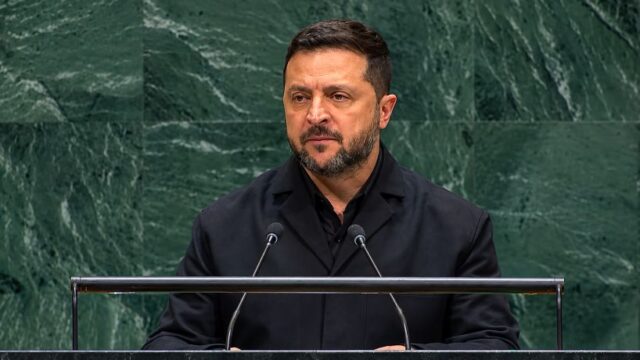
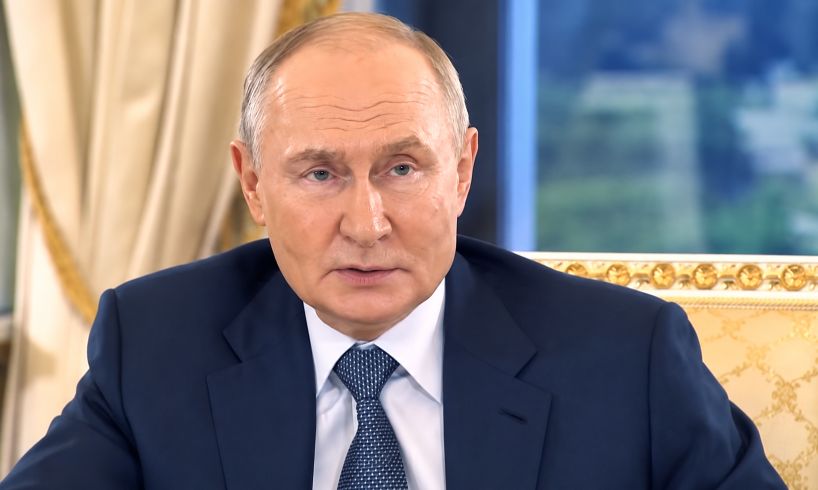
President Volodymyr Zelenskyy has delivered a blunt warning about Vladimir Putin’s message to the Trump administration, saying he believes the Russian president is not telling U.S. officials the truth about his intentions in Ukraine, at a moment when Washington is again trying to determine whether Moscow is genuinely prepared to move toward an end to the war.
In an exclusive interview with CBS News journalist Aiden Stretch, Zelenskyy was asked directly whether Putin was lying to officials working for President Donald Trump. His answer was strikingly direct: “Of course.” CBS News reported that Zelenskyy was discussing what he described as recent Russian escalation and his concerns about Moscow’s intentions.
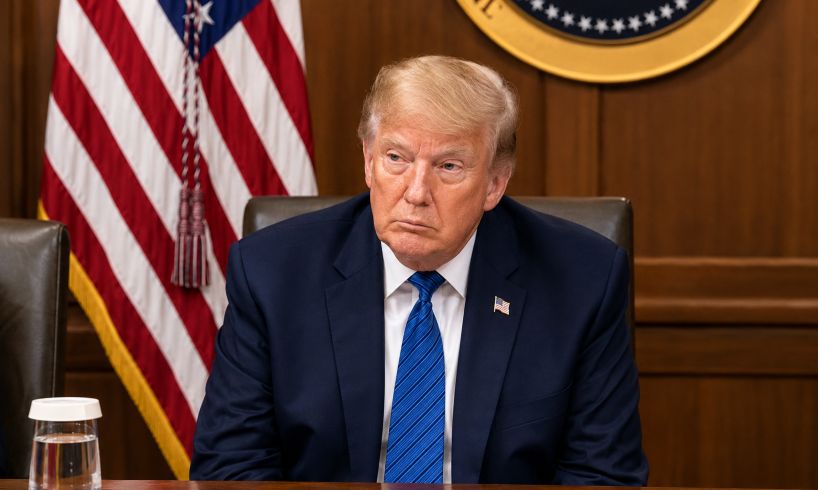
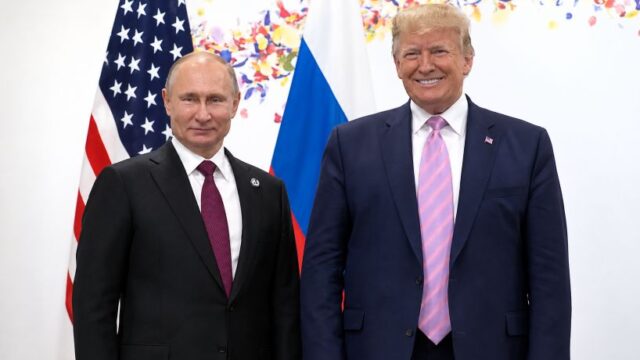
The accusation comes at an especially sensitive moment because Trump has continued to say that Putin wants a deal. Just last week, Trump said after speaking with Putin that he had a “great conversation” with the Russian leader and that Putin was “wanting to make a deal.” Trump also said the central obstacle was the relationship between Putin and Zelenskyy.
Zelenskyy’s warning, however, reflects a very different interpretation of Moscow’s behavior. And there is a history of ceasefire and peace efforts that helps explain why Kyiv remains skeptical.
In March 2025, Putin agreed to a temporary halt on attacks against energy facilities after speaking with Trump, but he did not accept the broader 30-day ceasefire that Washington had proposed and Ukraine had accepted. Reuters later reported that both sides continued reporting strikes against energy infrastructure after the limited arrangement.
The same pattern has resurfaced this month. Trump said Russia and Ukraine had agreed to stop attacks on energy infrastructure, but Zelenskyy said Ukraine had not received sufficient evidence that Russia was prepared to honor such an arrangement. Reuters reported that Russian and Ukrainian attacks on energy facilities continued despite Trump’s announcement.
That history does, by itself, establish Zelenskyy’s broader allegation that Putin is “lying” and manipulating Trump and his officials. It also does provide concrete examples of why Ukrainian officials have questioned whether Russian statements about ceasefires will translate into sustained changes on the battlefield.
And the battlefield is becoming increasingly important as winter approaches. Ukraine is preparing for what its officials describe as an exceptionally difficult winter, with Russian attacks increasingly focused not only on military targets but also on infrastructure, transportation, energy systems and economic activity. Reuters reported that Ukrainian officials estimate Russian air strikes have caused nearly $10 billion in infrastructure and fixed-asset damage during 2026, while the wider economic consequences are putting additional pressure on the country’s already strained finances.
The attacks are continuing even as diplomacy and communication between Washington and Moscow remain active. On September 16, Russian drones struck a passenger bus and a train in southern Ukraine, killing five people and injuring others, according to Ukrainian officials cited by Reuters. Ukraine has also continued striking Russian energy and military infrastructure, meaning the conflict remains an escalating exchange of long-range attacks even while negotiators discuss possible arrangements.
The coming winter therefore presents a difficult combination of military and civilian pressures: continued fighting along largely stalled front lines, intensified drone and missile attacks, pressure on Ukraine’s power and transportation systems, and an increasingly difficult economic situation.
For Trump, Zelenskyy’s warning puts a central question back on the table: whether Putin’s statements about wanting peace will ultimately be matched by actions that reduce the fighting. For Zelenskyy, the answer appears to depend less on what Moscow says privately to American officials and more on whether Russia actually stops attacking.
And with winter approaching, that distinction could become impossible to ignore.
Comments (0)