
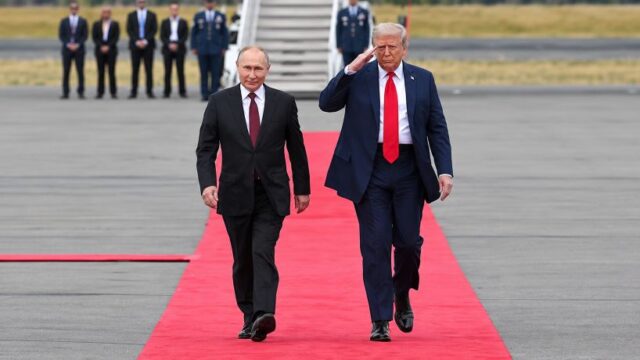
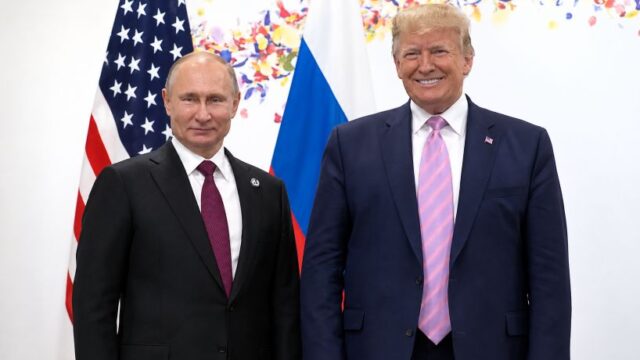
Global security is shifting as Russian President Vladimir Putin gets ready to mobilize hundreds of thousands more troops for the ongoing war. Western intelligence reports say Moscow is building stronger alliances with foreign forces and recruiting more people at home.
Putin’s major security changes have led NATO leaders to issue a warning that the conflict could spread further in Europe. Russian commanders, acting on Putin’s orders, are reorganizing front-line units and sending new battalions to continue their offensive against Ukrainian positions.
Vladimir Putin Expands Military Recruitment To Fuel Ongoing Offensive Operations
The Kremlin’s efforts to grow its army have raised new concerns among European defense officials. Moscow’s military leaders have launched strong recruitment campaigns to bring more people into active combat roles. Explaining the reasons behind this large troop increase, a defense analyst said: “Putin relies on a steady stream of mobilized manpower to replace heavy front-line losses and maintain continuous pressure on Ukrainian defensive positions.”
While Russian officials publicly claim that military conscription serves routine defense requirements, Western intelligence agencies note that these recruits are being rapidly routed into high-intensity combat zones. Explaining the reality of Moscow’s recruitment drive, the security expert revealed: “The Kremlin is using financial incentives and regional mobilization quotas to quietly funnel thousands of fresh fighters directly to the front lines without declaring a formal nationwide draft.”
European Allies Brace For Potential Multi-Front Conflict
Russia’s quick military mobilization has led nearby NATO countries to increase their defense readiness. In Northern and Eastern Europe, governments are taking new steps to prepare both civilians and armed forces for possible direct conflict with Russia. Emphasizing the seriousness of the growing security threat, a military commander warned: “We are witnessing the transformation of a regional conflict into a global confrontation, and European nations must prepare for every possible scenario.”
As the threat from Moscow grows, several European defense ministries have updated survival guidelines and increased emergency supplies. Speaking about the need for stronger deterrence, a NATO diplomat said: “The expansion of Russia’s military capacity requires an immediate and unified response from the alliance to ensure our eastern flank remains fully secured.”
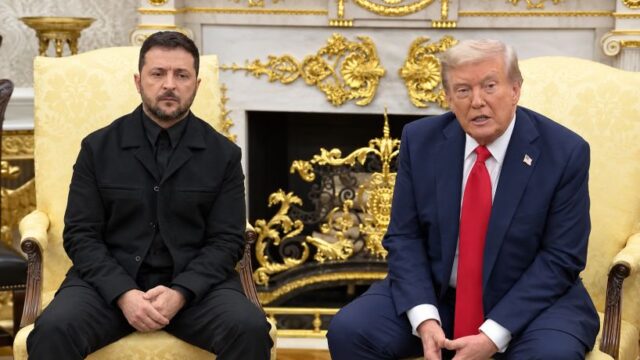
Volodymyr Zelenskyy Urges Swift Western Action To Counter Russian Mobilization
Ukrainian leaders are asking Western partners to send advanced weapons and long-range air defense systems to stop Russian attacks. President Volodymyr Zelenskyy warns that any delay in military aid gives Moscow more time to expand its operations. Calling for immediate international help to counter more Russian troops, Zelenskyy said: “Every delay in providing our defenders with necessary equipment gives the aggressor time to mobilize more forces and prepare new strikes against our nation.”
Ukrainian defense officials say that stopping Russian forces requires steady firepower and advanced technology to disrupt troops before they reach the front. Urging Western partners to act quickly, Zelenskyy continued: “It is essential for our partners to understand that speed saves lives, and decisive action today prevents a far greater war tomorrow.”
Kremlin Expands Foreign Alliances To Bolster Front-Line Forces
In addition to mobilizing at home, Moscow is working more with foreign partners to strengthen its military. Battlefield intelligence reports show that Russian units now include foreign equipment and specialized personnel. Explaining the wider impact of these partnerships, NATO Secretary General Mark Rutte said: “The deepening military cooperation between Russia and its foreign partners directly threatens both Indo-Pacific and Euro-Atlantic security.”
Reinforcing the grave geopolitical impact of these expanding alliances on Western security, Ukrainian Defense Minister Rustem Umerov revealed: “The introduction of foreign forces and technology into active combat operations signals a direct attempt by Moscow to turn a regional war into a global confrontation.”
As Western nations consider further economic sanctions and military assistance packages, defense analysts warn that the window to deter further military expansion is rapidly narrowing. Commenting on the dangerous trajectory of the conflict, Institute for the Study of War Russia Analyst George Barros concluded: “If Western leadership fails to interrupt Russia’s force-generation capabilities and foreign supply lines now, Moscow will continue scaling operations toward a broader confrontation.”
Providing a stark operational assessment of what happens if Western military assistance stalls, Carnegie Endowment Senior Fellow Michael Kofman concluded: “Without sustained material pressure and expanded long-range strike capabilities, Western allies will face a significantly larger and more entrenched Russian force structure.”
Some wonder if Putin will cross the line?
Comments (0)